As an Amazon Associate, we earn from qualifying purchases. Some links may be affiliate links at no extra cost to you. Although our opinions are based on curated research, we haven't used these products. Articles generated with AI.

Are Ventilation Systems Supposed To Blow Air Into Or Out Of A Building?

Ventilation systems play an essential role in indoor air quality by both blowing fresh air into a building and exhausting stale air out. They help maintain balanced airflow, which is critical for comfort and health. Typically, supply systems introduce about 15 cubic feet per minute of fresh air per person, while exhaust systems remove unwanted moisture and odors. This balance prevents harmful pollutants from recirculating. Understanding these concepts helps us guarantee a healthier environment indoors, and there’s more to explore on this topic.
Key Takeaways
- Ventilation systems can either introduce fresh air into a building (supply systems) or remove stale air (exhaust systems).
- Balanced ventilation systems continuously exchange air, ensuring both airflow into and out of the building for optimal air quality.
- Supply systems improve indoor air quality by blowing fresh outdoor air inside, while exhaust systems eliminate contaminants and odors by blowing air out.
- Properly designed ventilation requires attention to air intakes and exhaust placements to avoid contaminant recirculation and maintain indoor pressure balance.
- Effective ventilation relies on a combination of supply and exhaust to manage airflow and enhance comfort while adhering to building codes.
Understanding Ventilation Basics
You may be interested


As we explore the basics of ventilation, it’s important to recognize how this process operates within buildings. Natural ventilation allows fresh air to flow indoors, driven by outdoor elements like wind and temperature differences, which create airflow patterns. This can be achieved through various openings, such as windows and doors.
There are three main types of natural ventilation:
- Single-sided: Air enters through one wall.
- Cross-ventilation: Air flows through opposite walls.
- Stack ventilation: Warm air rises, exiting high openings.
Understanding these principles guarantees we can maintain indoor air quality effectively. Specifically, we aim for about 15 cubic feet per minute (cfm) of airflow per person, enhancing comfort and reducing indoor pollutants. Proper ventilation systems should have high airflow capacity to ensure sufficient air exchange in various environments.
The Role of Supply and Exhaust Systems
Ventilation systems play an essential role in managing indoor air quality and comfort in buildings. Supply systems bring fresh outdoor air inside, offering supply advantages like improved air quality through filtration. This system pressurizes the interior space, helping to push out contaminants.
On the other hand, exhaust systems remove stale indoor air, but they come with exhaust disadvantages. While they eliminate moisture and odors, they create negative pressure, potentially drawing in outdoor pollutants. In spaces like kitchens or bathrooms, exhaust systems are crucial, but they must be designed thoughtfully to prevent issues like backdrafting. Additionally, energy-efficient systems are vital for enhancing comfort and reducing overall costs.
When choosing between these systems, we should weigh their specific benefits and drawbacks based on our individual building needs and environmental conditions.
Recommended Products

Direct Drive Square Inline Exhaust Fan - Stainless Steel with 15.75" Centrifugal Wheel.

The CentricAir 3.4 whole house fan delivers a powerful (3242 HVI-916 CFM) and requires about 4.5 square feet of attic ventilation.

【Enhanced Filtration System for Optimal Performance】The GORILLASPRO Inflatable Paint Booth 33X20X15Ft now features upgraded accessories, including two high-power blowers, double filter cotton, an air draft device, exhaust fan, and 33FT of air ducting. These enhancements accelerate air filtration speed, ensuring improved performance and efficiency of the paint booth.
Importance of Balanced Ventilation
Balanced ventilation systems are essential for ensuring healthy indoor environments. They continuously exchange stale air with fresh air, which offers significant health benefits. This process lowers pollutants, allergens, and odors, leading to fewer allergy and asthma symptoms. By maintaining neutral pressure, these systems prevent the entry of unfiltered air.
Energy recovery components enhance system efficiency by transferring heat, allowing us to save on heating and cooling costs throughout the year. Additionally, balanced ventilation provides ideal humidity control, essential for preventing mold and moisture damage. This adaptability makes them suitable for different climates, ensuring comfort and energy savings. Overall, a balanced ventilation system promotes a healthier indoor atmosphere while optimizing energy use. Proper airflow requirements must be considered to achieve the best results in ventilation effectiveness.
Recommended Products

105,000 BTU pool heat pump supports pools up to 31,000 gallons, ideal for villas, hotels, resorts, vacation rentals, and shared residential pool areas.

A leading provider of ventilation and air-quality solutions for homes

Traditional KIP Harvia 220V Sauna Heater: A classic, reliable model within Harvia's heater variety, the KIP is user-friendly and efficient heater for a variety of sauna sizes.
Code Compliance and Standards
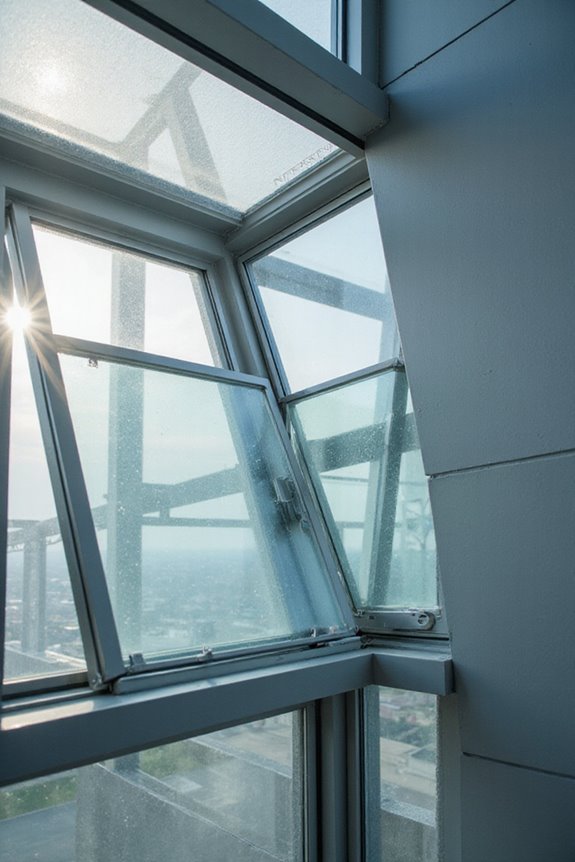
Ensuring compliance with building codes and standards for ventilation systems is essential for maintaining healthy indoor air quality. We must meet minimum outdoor air delivery requirements based on each space’s needs. This includes supplying airflow that aligns with calculated outdoor ventilation rates. Additionally, systems using transfer air must maintain positive airflow to prevent contaminants from recirculating.
Building codes also dictate where air intakes and exhausts can be placed. For instance, keeping them away from sources of pollution is fundamental for maintaining air quality. Compliance with local mechanical and plumbing codes is imperative for safe and effective operation. By adhering to these ventilation standards, we create healthier environments for ourselves and our families, ensuring safety alongside comfort. Effective humidity management is crucial for preventing moisture-related problems and enhancing overall air quality.
Recommended Products
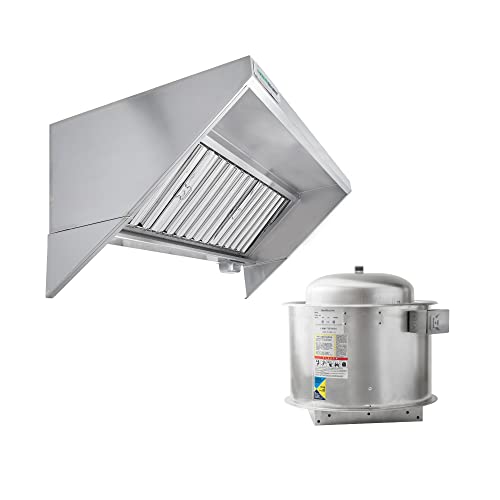
RESTAURANT EQUIPMENT MADE IN USA – HOODMART products are made in America and engineered for optimum performance. NSF and UL Approved. Backed by a 2-year warranty.

High Speed Direct Drive Centrifugal Upblast Exhaust Fan with speed control (three phase), disconnect switch and 18-3/4" wheel.
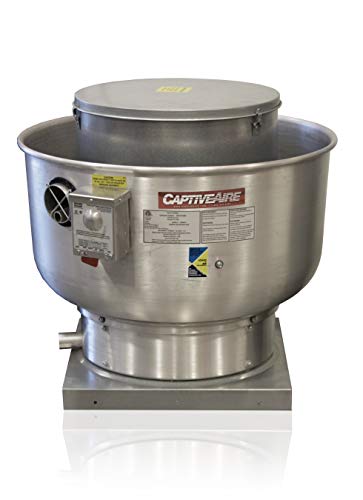
High Speed Direct Drive Centrifugal Upblast Exhaust Fan with speed control, disconnect switch and 15-3/4" wheel.
Airflow Direction and Building Pressure Dynamics
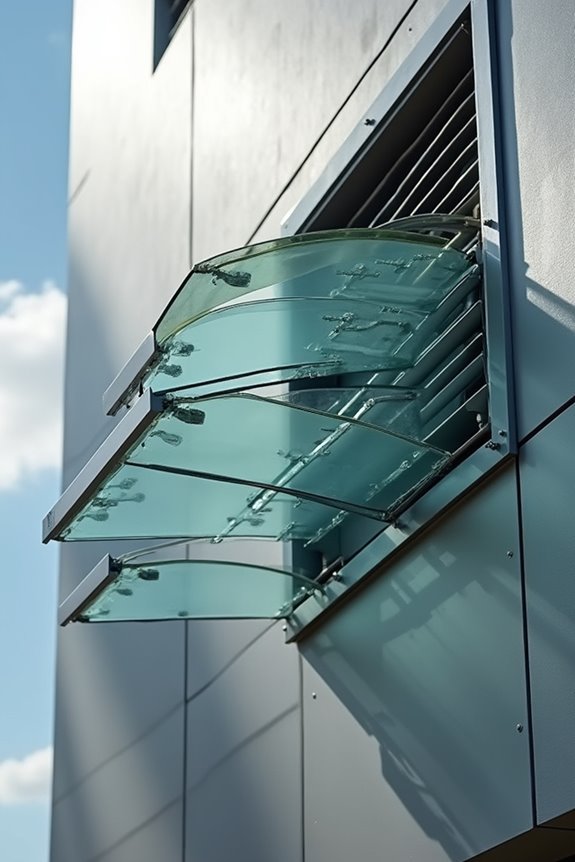
Understanding airflow direction and building pressure dynamics is key to effective ventilation design. Airflow characteristics hinge on pressure differences within a building. For instance, wind creates higher pressure on one side, pushing air in, while lower pressure on the opposite side allows for air to escape. Additionally, the stack effect drives warm air upward, pulling in cooler air from lower openings. Mechanical systems also play a role by establishing either positive or negative pressure zones to influence airflow direction.
To optimize ventilation, we should strategically place inlet openings on the windward side at low levels, allowing fresh air in. Conversely, outlet openings should be on the leeward side to facilitate effective air exit, promoting a balanced and healthy indoor environment. Effective ventilation systems can significantly improve indoor air quality by controlling pollutants and enhancing overall comfort.
Recommended Products

Utility exhaust ventilators are engineered to discharge grease laden vapors, fumes and other contaminants vertically away from the building. General Ventilation (UL705) and for Restaurant Duty (UL762) model SA-USBI is specifically intended for high temperature and/or heavy grease applications.
High Speed Direct Drive Centrifugal Upblast Exhaust Fan with speed control (three phase), disconnect switch and 36" wheel.

Low Profile High Speed Direct Drive Centrifugal Upblast Exhaust Fan with speed control, disconnect switch and 13-3/4" wheel.
Ensuring Indoor Air Quality and Comfort
Indoor air quality (IAQ) plays an essential role in maintaining a comfortable and healthy living environment. We need to understand that removing airborne pollutants is vital for our health. Ventilation systems constantly exchange indoor and outdoor air, which helps to eliminate dust, pollen, and harmful chemicals. This process reduces allergens and lowers risks of respiratory issues.
Moisture control is equally important. High humidity can lead to mold growth, compromising both our health and the structure of our homes. Efficient ventilation reduces this excess moisture, enhancing comfort. Additionally, selecting systems with high airflow capacity ensures effective air exchange and improved indoor air quality.
Recommended Products

Stylish Design: Say goodbye to kitchen smoke and welcome fashion with our range hood! The unique modern box design enhances the taste of the cooking space, and a variety of colors effortlessly match the atmosphere of your kitchen

Modern Design: The kitchen hood features a distinctive box-type design accented with 2 decorative strips, adding a touch of luxury and sophistication while seamlessly complementing your kitchen’s overall style. Designed for wall-mount installation, it measures 30W x 30H x 14D inches and is good installed at a height of 28 to 30 inches above the cooktop for optimal performance and aesthetic balance

【Low EMF + Carbon Plates for Heating】 10-15 minutes can reach the max temperature of 149 ° F (65 ° C).Emit far-infrared rays that penetrate deep into the body, promoting detoxification and relieving muscle tension.Comfortable temperature+surround your body.Dry sauna, no need to deal with steam after use.
Frequently Asked Questions
How Do Weather Conditions Affect Ventilation System Performance?
Like a delicate dance, weather impacts our ventilation system’s performance, requiring seasonal adjustments. When storms strike or summer heat swelters, we must embrace flexibility, ensuring our indoor spaces remain comfortable and healthy for everyone.
What Maintenance Is Required for Ventilation Systems?
We’ve got to prioritize regular filter replacement and duct cleaning. By staying on top of these tasks, we can guarantee fresh air circulates, keeping our indoor environment comfortable and healthy for everyone. Let’s make it a routine!
Can Ventilation Systems Help Reduce Allergies?
Can we breathe easier indoors? Absolutely! Ventilation systems can greatly reduce allergy triggers, improving indoor air quality. By circulating fresh air, they help us create healthier, more comfortable living spaces for ourselves and our loved ones.
Are There Energy-Efficient Options for Ventilation Systems?
Absolutely, there are energy-efficient options for ventilation systems that incorporate energy-saving features and sustainable practices. By choosing balanced systems or ones with energy recovery, we can enhance comfort while reducing our environmental footprint together.
How Do You Determine the Right Ventilation System for a Building?
Choosing the right ventilation system’s like picking the perfect outfit; it’s all about fit. We assess ventilation types and airflow direction, ensuring our building’s needs align with its design, climate, and occupancy for ideal air quality.