As an Amazon Associate, we earn from qualifying purchases. Some links may be affiliate links at no extra cost to you. Although our opinions are based on curated research, we haven't used these products. Articles generated with AI.

What Are The Best Types Of Home Ventilation Systems?

The best types of home ventilation systems include Mechanical Ventilation With Heat Recovery (MVHR), Continuous Mechanical Extract Ventilation (MEV), Energy Recovery Ventilators (ERV), Heat Recovery Ventilators (HRV), and Exhaust Ventilation Systems. MVHR and HRV recover heat efficiently, saving energy costs. MEV focuses on removing stale air from wet areas. ERVs precondition incoming air for better quality, while exhaust systems provide a cost-effective solution for improving indoor air. Let’s explore these systems and their benefits further.
Key Takeaways
- Mechanical Ventilation With Heat Recovery (MVHR) is highly efficient, recovering up to 92% of heat while providing fresh air continuously.
- Continuous Mechanical Extract Ventilation (MEV) removes stale air from wet areas, enhancing indoor air quality and humidity control.
- Energy Recovery Ventilators (ERV) precondition incoming air while exchanging stale air, improving air quality and balancing humidity levels.
- Heat Recovery Ventilators (HRV) are ideal for colder climates, recovering up to 80% of heating energy and providing balanced ventilation.
- Exhaust Ventilation Systems are cost-effective for removing stale air but may introduce outside pollutants, requiring careful management.
Mechanical Ventilation With Heat Recovery (MVHR)
You may be interested


When we think about maintaining fresh air in our homes, one effective solution is the Mechanical Ventilation With Heat Recovery (MVHR) system. This system continuously supplies fresh, filtered air while recovering heat from stale air. It consists of a central unit, often in the roof space or utility room, and insulated ducting that runs through the walls and ceilings.
The MVHR efficiency comparison reveals it can recover 80-92% of heat that would otherwise be lost. By minimizing heat loss, it enhances energy efficiency and reduces heating costs. Additionally, it prevents dampness and harmful pollutants in modern, airtight homes, creating healthier indoor spaces. Using MVHR components carefully guarantees we enjoy clean air without sacrificing comfort. Moreover, selecting energy-efficient models ensures optimal performance while lowering operational costs.
Recommended Products
Dual-Mode Enjoyment: Combines far infrared heating and traditional steam therapy for ultimate relaxation and detoxification. Equipped with 4 full-spectrum infrared heaters+ 6 carbon infrared heaters, and a powerful harvia 4500W sauna stove, it delivers customizable heat for detoxification, relaxation, and muscle recovery

105,000 BTU pool heat pump supports pools up to 31,000 gallons, ideal for villas, hotels, resorts, vacation rentals, and shared residential pool areas.

Spacious 2-3 Person sauna:This family sized home spa is designed as a spacious indoor sauna with external dimensions of 1500mmX900mmX1800mm(59inX35inX71in) , making it suitable for various home spaces such as basement corners, alongside home gyms, or adjacent to master bedroom bathrooms. It allows parents and children, or couples or friends, to comfortably share the space and enjoy relaxation together.
Continuous Mechanical Extract Ventilation (MEV)
Continuous Mechanical Extract Ventilation (MEV) systems are designed to efficiently remove stale, humid, and polluted air from our homes. Operating 24/7, these systems primarily extract air from wet rooms like bathrooms and kitchens. A centrally located fan, often found in lofts or cupboards, moves the air through ductwork, ensuring reduced indoor humidity.
Additionally, trickle vents in habitable rooms allow fresh air to flow in, balancing ventilation throughout our space. MEV systems also include a boost function to enhance air extraction during moisture-generating activities. By continuously managing stale air, these systems markedly lower the risk of condensation and mold, promoting a healthier living environment. With low energy consumption, they support efficient indoor air quality management in our homes. Furthermore, proper maintenance guidelines for ventilation systems can ensure optimal performance and longevity.
Recommended Products

High Speed Direct Drive Centrifugal Upblast Exhaust Fan with speed control (three phase), disconnect switch and 18-3/4" wheel.

No Damage to Workpieces: The EDM-2000B uses spark erosion to remove broken taps, drills, bolts, reamers, and studs without any direct contact, ensuring no external force or damage to the workpiece. Ideal for removing broken taps from aluminum and steel.

High-density XeL50 media provides 80% more evaporation surface compared to normal density media
Energy Recovery Ventilators (ERV)

Energy Recovery Ventilators (ERVs) offer a more advanced method of managing indoor air quality compared to Continuous Mechanical Extract Ventilation (MEV) systems. With energy recovery technology, ERVs can precondition incoming air by transferring heat and moisture between the air streams, saving up to 80% of energy from exhausted air. This process reduces our heating and cooling costs over time.
ERVs continuously exchange stale indoor air with filtered fresh outdoor air, improving air quality by removing allergens and odors. They also balance humidity levels year-round, preventing conditions like mold growth. Integration with smart controls allows us to monitor and optimize our indoor air, ensuring a healthier living environment while supporting energy efficiency in various building types. Additionally, Indoor Air Quality Improvement is significantly enhanced through the use of ERVs, contributing to a cleaner and healthier living atmosphere.
Recommended Products
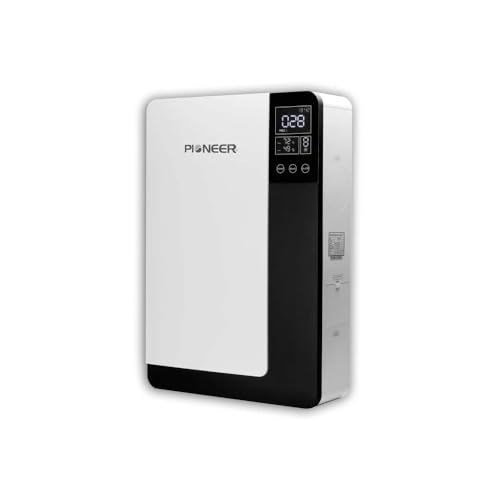
ADVANCED AIR PURIFICATION & MONITORING: Breathe cleaner air with 99% purification efficiency. The ECOasis 150 features a built-in PM2.5 sensor and CO2 monitor that continuously tracks indoor air quality, automatically adjusting the 8-speed fan to eliminate pollutants, allergens, and stale air in rooms up to 500 Sq. Ft.
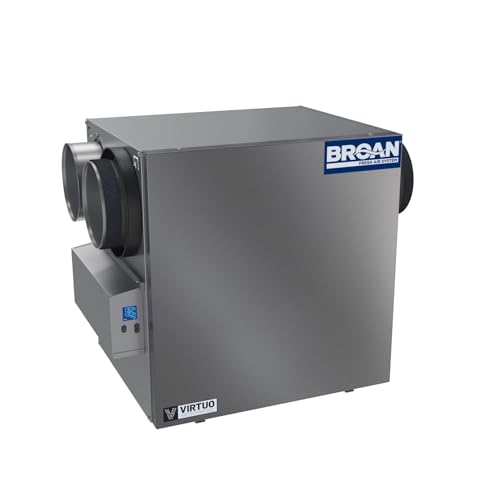
A leading provider of ventilation and air-quality solutions for homes

Dual-cylinder Configuration: The 1 HP dual-cylinder brush motor refrigerant recovery machine boasts a maximum liquid recovery rate of 7.7 lb/min, a 59% faster recovery speed than single-cylinder models. It quickly recovers both vapor and liquid refrigerants! It is also equipped with a fan and a condenser that quickly condense and dissipate heat, ensuring stable and strong performance for long-term use.
Heat Recovery Ventilators (HRV)
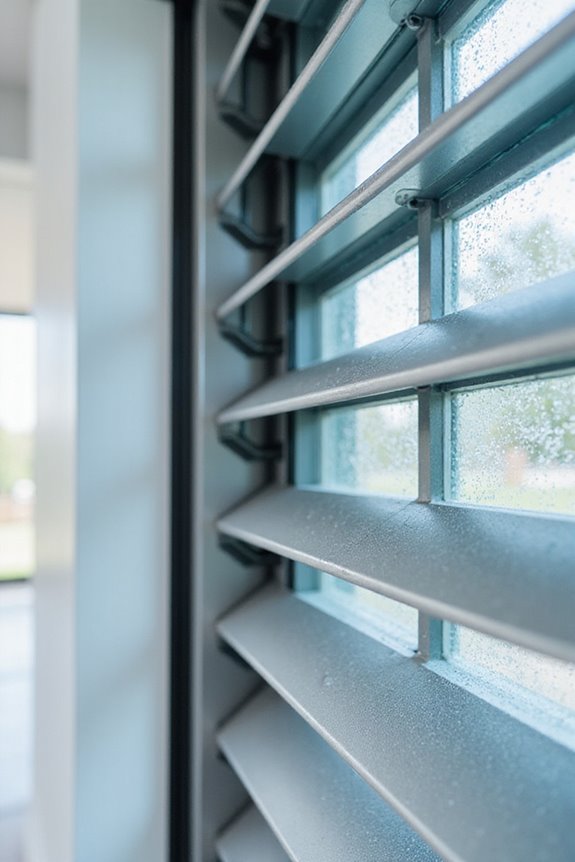
Heat Recovery Ventilators (HRVs) are essential components for improving indoor air quality while enhancing energy efficiency in our homes. HRV advantages include their ability to recover 60% to 80% of heating energy, considerably reducing heating demands in colder climates. They operate as balanced ventilation systems, exhausting stale air and supplying fresh air simultaneously.
HRV installation involves placing a heat exchanger core that transfers heat without mixing air streams, which maintains indoor air quality. Typically, these systems use efficient fans that consume only about 13 watts, allowing for continuous operation at a low cost. In addition, HRVs provide steady airflow, remove indoor pollutants, and control humidity, ensuring healthier living environments while saving on energy bills and supporting modern energy-efficient home standards. Built-in dehumidistats in these systems activate fans based on humidity levels, further enhancing their effectiveness in managing indoor moisture.
Recommended Products

A leading provider of ventilation and air-quality solutions for homes

High Quality Mahogany Wood: The materials of the KUNSANA outdoor sauna are all taken from the Khaya Wood (Kind of Mahogany Wood) on the Africa, with strong waterproof performance, high temperature resistance and low temperature resistance. The outdoor sauna can withstand most outdoor temperatures all year round: -5℉-120℉. (can also be used as an indoor sauna)

HEALTHY INDOOR AIR – Replaces stale indoor air with fresh outdoor air to improve Indoor Air Quality throughout the home, helping reduce odors, humidity, and airborne pollutants
Exhaust Ventilation Systems
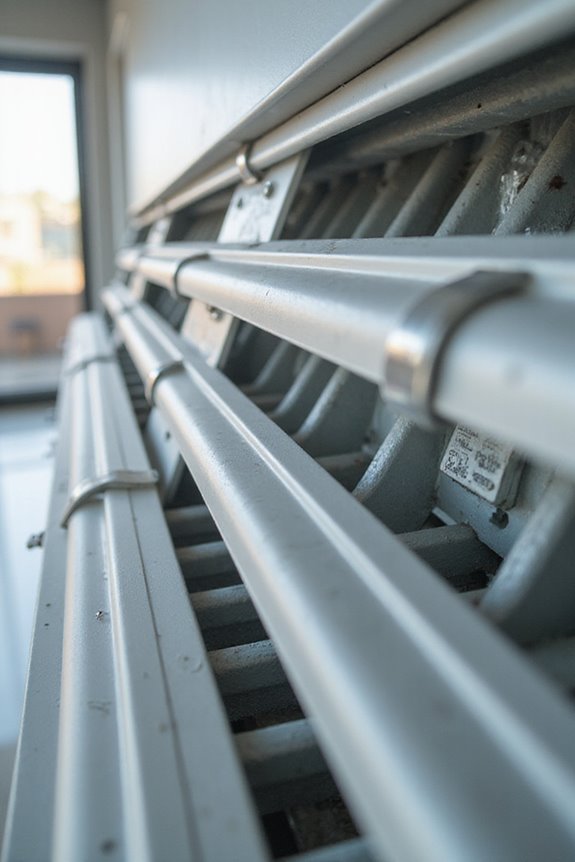
Exhaust ventilation systems serve a different purpose compared to Heat Recovery Ventilators (HRVs). They utilize dedicated exhaust fans to remove stale indoor air, often from kitchens and bathrooms. This system creates negative pressure, which means outside air will flow in through leaks. While it’s a cost-effective way to enhance indoor air quality, incoming air can be uncontrolled and may introduce pollutants from spaces like garages.
To guarantee exhaust fan efficiency, some systems include timers and humidity sensors. These can help optimize air exchange, especially in dry climates. However, it’s vital to note that excess exhaust can lead to safety issues. Overall, these systems can effectively reduce moisture and odors, contributing positively to a home’s atmosphere. Additionally, bathroom exhaust fans are essential for moisture control and improving air quality in personal spaces.
Balanced Ventilation Systems
Balanced ventilation systems represent an effective solution for maintaining indoor air quality. These systems deliver equal amounts of air intake and exhaust, ensuring balanced air pressure throughout the home. They typically include separate supply and exhaust fans, as well as dedicated ductwork.
Key Benefits:
- They improve indoor air quality by filtering out dust and allergens before circulating fresh air into living spaces.
- Balanced systems manage moisture effectively, preventing issues like mold and structural damage.
Efficiency and Climate:
- Energy Recovery Ventilators (ERVs) or Heat Recovery Ventilators (HRVs) can recover up to 90% of energy from exhausted air.
- They work in all climate types, making them suitable for any home, especially tightly sealed, energy-efficient ones. Additionally, these systems often feature high airflow capacity to ensure effective air exchange in various room sizes.
Comparison of Ventilation Types
When choosing a home ventilation system, it’s important to understand the various options available.
- Exhaust-Only Systems create negative pressure, removing indoor air but may introduce pollutants. They’re simpler but less efficient in maintaining indoor air quality.
- Supply-Only Systems pressurize the home, pushing stale air out; however, they can lead to higher energy costs without conditioning incoming air.
- Whole-House Fans cool spaces by exhausting indoor air through the attic but need proper setup to avoid inefficiency.
- Heat Recovery Ventilators (HRVs) recover heat but don’t manage humidity.
- Energy Recovery Ventilators (ERVs) balance heat and moisture, enhancing ventilation efficiency.
Each system has its strengths based on climate and air quality needs, ensuring we choose what fits our home best.
Recommended Products
A leading provider of ventilation and air-quality solutions for homes

A leading provider of ventilation and air-quality solutions for homes

Energy Recovery Ventilator (ERV): Remove moist, stale air and supply fresh, clean air in your home while balancing air pressure; Temperate Climate Model recommended for areas where temperatures can drop as low as 14F (-10C); MERV 8 filter included.
Benefits of Proper Home Ventilation
Why is proper home ventilation so essential for our living spaces? It plays a crucial role in maintaining indoor air quality. By continuously removing indoor pollutants like dust and allergens, ventilation helps us breathe easier. This is especially important since we spend about 90% of our time indoors.
Moisture control is another key benefit. Efficient ventilation prevents excess moisture, which in turn stops mold and mildew from forming. This reduces health risks associated with damp environments, including respiratory problems.
Additionally, proper ventilation enhances comfort by regulating humidity and temperature. This balance makes our homes feel more pleasant. To conclude, good ventilation contributes to a healthier, more enjoyable living space by improving air quality and managing moisture effectively.
Factors to Consider When Choosing a System
Choosing the right home ventilation system can feel overwhelming, but understanding key factors can simplify the process.
System Sizing
First, we need to ascertain proper system sizing for our homes. Oversized systems can lead to energy waste, while undersized ones might not provide adequate ventilation.
Cost Analysis
Next, let’s evaluate the cost analysis. Initial expenses include equipment and installation, but ongoing energy costs matter too. Systems with heat recovery, like MVHR or HRVs, may cost more upfront but can save money in the long run by reducing heating and cooling bills.
Climate Compatibility
Finally, consider climate compatibility. Systems perform differently based on local conditions, impacting energy efficiency and indoor air quality. Choosing the right system will help us maximize performance in our unique environment.
Installation and Maintenance of Ventilation Systems
Proper installation and maintenance are vital for maximizing the performance of our home ventilation systems. Before we start, installation preparation is important. We should select our installation location carefully, avoiding gas appliances, and plan duct runs for efficiency.
During duct sealing, using quality foil-faced tape or mastic on all joints guarantees no air leaks occur. Insulating ducts in unconditioned spaces helps avoid energy loss.
For maintenance, regular cleaning of outdoor air intakes prevents debris buildup. We need to inspect and replace filters based on recommendations. Additionally, checking duct seals and insulation integrity during routine inspections helps maintain performance.
Frequently Asked Questions
How Do I Choose the Right Ventilation System for My Home?
When we choose the right ventilation system for our home, let’s picture a cozy haven—balancing airflow and energy efficiency. We’ll consider our climate, home size, and comfort to breathe easily and thrive together.
What Are the Signs of Poor Indoor Air Quality?
We’ve all felt it—persistent coughing, headaches, or even lingering fatigue. These signs often point to indoor pollutants affecting our health. If symptoms improve when we step outside, it’s time to evaluate our air quality seriously.
How Can I Improve Ventilation Without a Mechanical System?
Imagine fresh breezes dancing through our home. We can improve ventilation by embracing natural airflow through operable windows, encouraging passive ventilation with clever design, and being mindful of moisture and indoor pollutants that linger.
What Maintenance Is Needed for Home Ventilation Systems?
To keep our home ventilation systems running smoothly, we should commit to regular system cleaning and filter replacement every three to six months. Together, we can guarantee ideal airflow and maintain our indoor air quality.
Can Home Ventilation Systems Help With Allergens?
Yes, home ventilation systems can greatly help with allergen reduction through effective air purification. By continuously circulating fresh air, we create a healthier sanctuary where our loved ones can breathe easier and thrive.