As an Amazon Associate, we earn from qualifying purchases. Some links may be affiliate links at no extra cost to you. Although our opinions are based on curated research, we haven't used these products. Articles generated with AI.


How Does An Energy Recovery Ventilator Work?

Energy Recovery Ventilators (ERVs) work by transferring heat and moisture between outgoing stale air and incoming fresh air. This process preconditions the air, reducing the heating or cooling load on HVAC systems. An ERV features a heat exchanger core, which allows for efficient energy recovery, recapturing up to 80% of energy. Additionally, dual airflow pathways maintain indoor and outdoor air separation, ensuring improved indoor air quality. By understanding these principles, we can see how ERVs enhance comfort and efficiency.
Key Takeaways
- Energy Recovery Ventilators (ERVs) transfer heat and moisture between incoming fresh air and outgoing stale air through a heat exchanger without mixing them.
- They precondition outdoor air, reducing thermal load on HVAC systems and balancing indoor humidity to improve air quality.
- Dual airflow pathways utilize a counter-flow method to efficiently exchange energy, recovering up to 70-80% of energy from exhausted air.
- Variable-speed fans ensure balanced airflow, providing continuous fresh air supply while minimizing drafts and discomfort.
- Regular maintenance and proper sealing in ductwork enhance efficiency, extending the lifespan of the ERV system.
Understanding the Basic Principle of ERVs
You may be interested



How do Energy Recovery Ventilators (ERVs) operate? At their core, ERVs use a unique counter-flow principle to transfer heat and moisture between two opposing air streams. This design guarantees that fresh outdoor air is preconditioned before entering our space, maintaining comfort and energy efficiency. The heat exchanger core enables effective energy recovery, reducing demands on heating or cooling systems. Additionally, effective smoke and odor removal is crucial in ensuring a comfortable indoor environment, similar to the role of kitchen ventilation systems. For peak performance, we need to adhere to proper installation guidelines and maintenance practices. Regular checks on filters and airflow can enhance efficiency and prolong the unit’s lifespan. By understanding how ERVs function, we can better appreciate their role in improving our indoor air quality and energy savings, creating a more comfortable environment for us all.
Core Components of an ERV System
Core components form the backbone of an Energy Recovery Ventilator (ERV) system, guaranteeing efficient operation and ideal indoor air quality. The system’s motor types include direct drive, electronically commutated (EC), and variable frequency drive (VFD) motors, which power centrifugal fans. EC motors enhance energy efficiency and provide adjustable speeds.
Ductwork design is also essential. Intake ducts bring in fresh air, while exhaust ducts remove stale air, keeping these streams separate to prevent contamination. Proper sealing in the ductwork minimizes energy loss.
Filters, commonly MERV 8 or MERV 10, trap dust and allergens before air enters our living space. Regular maintenance secures optimal airflow and indoor air quality, making each component critical for effective ERV performance. Additionally, incorporating energy-efficient models can significantly reduce overall energy consumption in the home.
Recommended Products
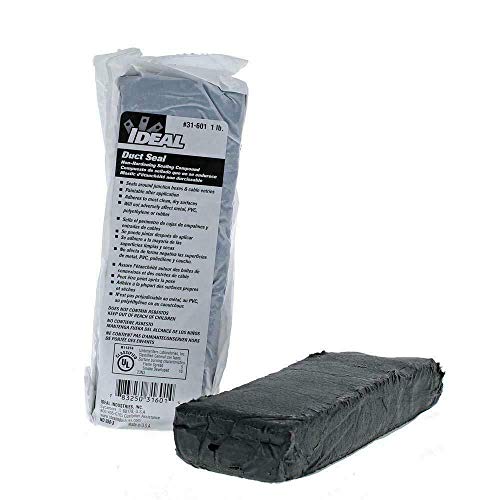
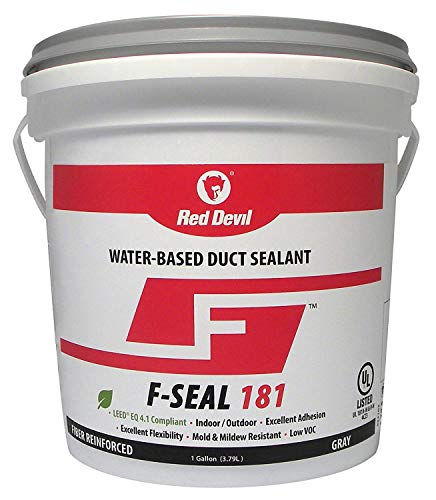
SUPERIOR SEALING: Fiber-reinforced formula ensures leak-free HVAC systems, improving energy efficiency and performance

APPLICATION: Rectorseal duct seal compound is a gray, soft, non-toxic, putty-type compound that adheres to most clean dry surfaces; Duct Seal can be hand-molded to any form and resued if necessary
The Heat Exchanger Mechanism
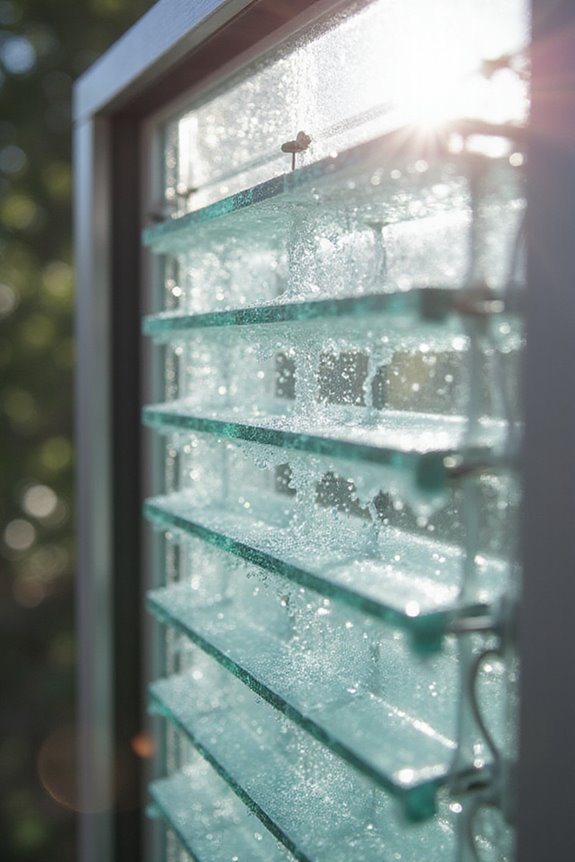
The heat exchanger mechanism plays a vital role in how an Energy Recovery Ventilator (ERV) operates. It’s the heart of the system, efficiently transferring both sensible heat and latent heat between incoming fresh air and outgoing stale air. This transfer occurs without any mixing of the air streams, ensuring that we maintain indoor air quality.
In this process, sensible heat relates to temperature differences between the air streams, while latent heat involves moisture transfer. The heat exchanger preconditions the incoming air, reducing the thermal load on our HVAC systems. By helping to balance indoor humidity, it also prevents issues like mold. This way, we enjoy a comfortable environment while maximizing energy efficiency and minimizing utility costs. Additionally, using an ERV can complement proper ventilation fans to further enhance indoor air quality.
How Airflow Works in an ERV
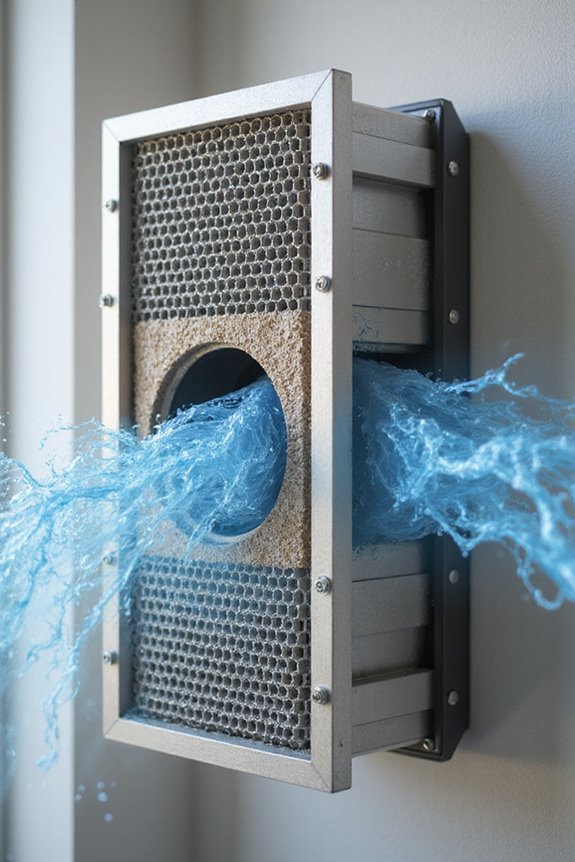
Airflow in an Energy Recovery Ventilator (ERV) is designed to optimize both ventilation and energy efficiency. The system employs dual airflow pathways: one for fresh outdoor air and another for stale indoor air. This separation prevents mixing contaminants, ensuring better indoor air quality.
The airflow dynamics typically follow a counter-flow method, where fresh and stale air move through opposite channels for efficient energy transfer. Variable-speed fans maintain balanced airflow, allowing steady ventilation while avoiding drafts.
Additionally, continuous operation provides a constant supply of fresh air, which enhances comfort. The system’s smart controls respond to specific air quality needs, ensuring an efficient exchange that can recover up to 70-80% of energy. This maintenance of airflow considerably improves our indoor environment. Furthermore, advancements in energy-efficient windows can complement the performance of an ERV by further reducing energy loss in the home.
The Role of Filters in Air Quality

Filters play an essential role in maintaining indoor air quality within Energy Recovery Ventilators (ERVs). They effectively remove airborne pollutants such as dust, pollen, and mold spores. We should prioritize filter maintenance, checking them regularly to guarantee they aren’t clogged. This helps keep our air fresh and reduces respiratory issues linked to poor air quality.
When considering filter selection, MERV ratings are vital. Filters with higher ratings capture more particles, but they can also restrict airflow. We must find a balance that suits our home’s needs. For specific concerns, such as odors, activated carbon filters can be beneficial. Ultimately, proper filter care not only enhances air quality but extends the lifespan of our ERV system’s components. Additionally, choosing energy-efficient models can further optimize air quality and reduce energy consumption in our homes.
Energy Efficiency of ERVs
Understanding how energy recovery ventilators (ERVs) work can greatly impact our building’s energy efficiency. ERVs recapture 40% to 80% of the energy from exhausted air to pre-condition incoming air. This process considerably reduces heating and cooling system loads, leading to impressive energy savings. By improving ventilation efficiency, we can often downsize HVAC systems, which further enhances energy efficiency. The payback period for these energy cost savings usually ranges from less than one year to three years. Although there’s a minor increase in electrical consumption—around 2.3%—from the fans, the overall heating and cooling savings generally outweigh this. As we adopt ERVs, we not only cut costs but also support a more sustainable way of operating our buildings. Additionally, implementing energy recovery ventilation can help improve indoor air quality by controlling pollutants effectively.
The Process of Heat and Moisture Transfer
The process of heat and moisture transfer in energy recovery ventilators (ERVs) plays an essential role in enhancing indoor air quality and comfort. ERVs utilize a core that separates incoming and outgoing air, promoting efficient energy recovery. The design facilitates moisture dynamics by allowing water vapor to pass through the core without mixing air streams.
In summer, they remove moisture from warm, humid air; in winter, they add moisture to dry, cold air. This bidirectional transfer helps maintain balanced humidity, optimizing comfort regardless of seasonal changes. By stabilizing indoor conditions, ERVs lower HVAC loads, ensuring we enjoy a healthier, more comfortable environment. Ultimately, this process emphasizes the importance of temperature and humidity control in our living spaces.
Differences Between ERVs and HRVs
When comparing energy recovery ventilators (ERVs) and heat recovery ventilators (HRVs), it’s important to recognize their distinct functions and benefits. ERVs are designed to transfer both heat and moisture, making them ideal for humid climates. This helps maintain indoor humidity, reducing potential issues like dry skin and wood warping, which we’ll refer to as ERV advantages. On the other hand, HRVs focus solely on heat transfer, with no moisture management, presenting HRV limitations in humid environments. While HRVs excel in dry climates where humidity is less of a concern, ERVs provide year-round benefits in mixed climates by balancing both heat and humidity. This effectively lowers strain on HVAC systems, enhancing overall indoor air quality and comfort.
Applications of ERVs in Residential Spaces
In many homes, energy recovery ventilators (ERVs) play an essential role in enhancing indoor air quality and maintaining comfort levels. One of the key residential benefits is improved air quality. ERVs continuously exchange stale air for fresh air, reducing allergens and pollutants that can impact our health. This improvement is especially important in tightly sealed homes, where contaminants can accumulate.
Another significant benefit is energy savings. ERVs precondition incoming air by recovering heat and moisture, which reduces the workload on HVAC systems. This process leads to lower utility bills and prolongs the lifespan of heating and cooling equipment. Overall, ERVs are crucial for creating a comfortable, healthy, and energy-efficient home environment.
Recommended Products

A leading provider of ventilation and air-quality solutions for homes
A leading provider of ventilation and air-quality solutions for homes

QuietCool advanced whole house fans are designed to enhance natural ventilation cooling, offering an energy-efficient alternative to traditional air conditioning systems.
Ideal Installation Locations for ERVs
Choosing the right locations for installing energy recovery ventilators (ERVs) in our homes is essential for maximizing their efficiency and effectiveness. Central spaces like living rooms and hallways allow for even air distribution. Utility areas, such as basements and laundry rooms, face fewer installation challenges due to accessibility.
Placing ERVs in kitchens and bathrooms is beneficial for moisture control, while quieter units can be installed in bedrooms for personalized ventilation. We should consider placement strategies that allow for easy filter access and minimize duct length to improve performance.
Additionally, outdoor intakes should be at least six feet away from pollutant sources, ensuring cleaner air enters our home. By strategically choosing locations, we enhance our indoor air quality effectively.
Recommended Products
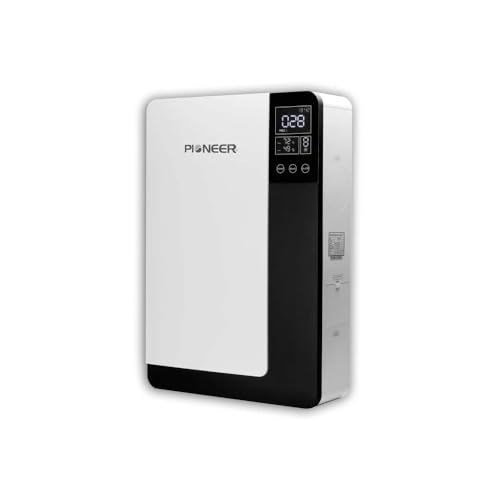
ADVANCED AIR PURIFICATION & MONITORING: Breathe cleaner air with 99% purification efficiency. The ECOasis 150 features a built-in PM2.5 sensor and CO2 monitor that continuously tracks indoor air quality, automatically adjusting the 8-speed fan to eliminate pollutants, allergens, and stale air in rooms up to 500 Sq. Ft.
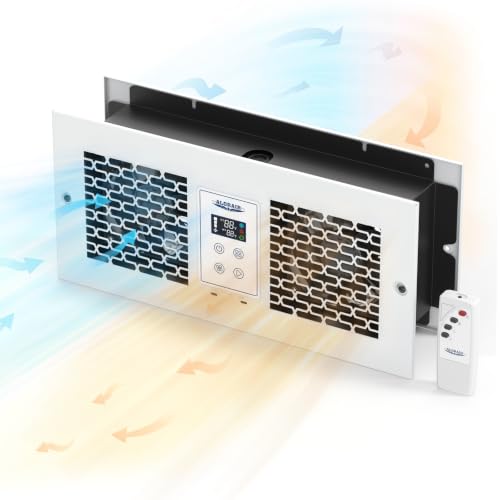
Built-in Cooling & Heating, Works as Mini Room AC: Boasting independent active cooling and heating functions, this bidirectional unit is not a basic air transfer fan but a wall-mounted mini air conditioner. It swaps conditioned air back and forth between two connected rooms. Three practical modes for year-round use: Cooling, Heating and Fan-only. It cools both rooms simultaneously in summer and evenly warms up two rooms in winter. Turn off heating and cooling for daily indoor air circulation.

Powerful Vent Fan: Size: 12.6" × 8.7" × 2.5"| Airflow: 300CFM | Noise: 40 dBa. This high-airflow vent fan improves indoor comfort by removing heat that collects inside the house and increasing air circulation. Idea for crawl spaces, basements, attics, garages, greenhouses and other confined spaces up to 550 sq. ft.
Benefits of Continuous Ventilation
Continuous ventilation offers considerable advantages for maintaining a healthy and comfortable indoor environment. By using an energy recovery ventilator (ERV), we considerably reduce our energy demand, achieving energy savings of up to 70%. This means lower utility bills year-round, thanks to its efficient heat recovery rates of 85-92%.
Furthermore, continuous ventilation improves indoor air quality by consistently replacing stale air with fresh air. This reduces indoor pollutants and allergens, providing health benefits like improved respiratory health. Advanced filtration systems, including MERV-13 filters, capture fine dust and odors, ensuring a cleaner environment.
Additionally, ERVs balance humidity levels, preventing discomfort from overly dry or humid conditions, all while enhancing our overall comfort in the space we share.
Environmental Impact of Using ERVs
Energy Recovery Ventilators (ERVs) play a significant role in reducing our overall environmental impact. By transferring energy between incoming and outgoing air, ERVs lower the energy required for heating and cooling. This reduces the carbon footprint of buildings, which contribute about 35% of global greenhouse gas emissions.
Additionally, ERVs use advanced technology like enthalpy wheels, achieving energy recovery efficiencies of 60-70%. With less energy demand for HVAC systems, we also support energy conservation.
Moreover, the durability of ERV systems minimizes waste and decreases the need for frequent replacements. By utilizing sustainable materials, ERVs further cut environmental costs. Overall, ERVs are a powerful tool in our quest for a greener, more sustainable future.
Improving Indoor Air Quality With ERVS
Improving indoor air quality (IAQ) is essential for our health and comfort. Energy Recovery Ventilators (ERVs) help us combat indoor pollution by continuously replacing stale air with fresh outdoor air. This process limits the buildup of harmful contaminants like mold and dust, especially in tightly sealed buildings. Through balanced ventilation strategies, ERVs filter incoming air, clearing out dust, pet dander, and even unwanted odors.
Moreover, ERVs regulate humidity by transferring moisture between air streams. This control prevents excessive dryness in winter and keeps humidity in check during summer. The result? A comfortable atmosphere that reduces respiratory issues and allergy triggers, promoting overall well-being. With ERVs, we can enjoy cleaner, healthier indoor environments without sacrificing energy efficiency.
Recommended Products

A leading provider of ventilation and air-quality solutions for homes

HEALTHY INDOOR AIR – Replaces stale indoor air with fresh outdoor air to improve Indoor Air Quality throughout the home, helping reduce odors, humidity, and airborne pollutants

Compatible with Panasonic ERV Models: Replacement air filter for Panasonic ERV systems using FFV4300157S / FV-FL1310VE1 M13 filters. Compatible with select models including FV10VE2, FV-10VE2, FV10VEC2, FV-10VEC2, FV10VEC2R and FV-10VEC2H.
Frequently Asked Questions
How Much Maintenance Do ERVS Require Over Time?
ERVs require regular maintenance, like changing filters every few months and adjusting airflow annually. Together, we can guarantee peak performance and air quality, making our indoor environment comfortable and healthy for everyone.
Can ERVS Be Installed in Existing Homes?
Yes, ERVs can be installed in existing homes. The installation process often utilizes home compatibility with existing ducts, allowing for effective ventilation without major alterations. It’s best to consult professionals for ideal results and performance.
What Is the Lifespan of an ERV System?
Imagine a family’s home with a well-maintained ERV, enjoying around 15 years of ideal system efficiency. Our commitment to regular upkeep can greatly enhance ERV longevity, ensuring we breathe fresh air for years to come.
Are ERVS Noisy During Operation?
Yes, ERVs can be noisy during operation, with noise levels varying based on design and settings. We’re mindful of achieving operational efficiency while keeping sound levels low, ensuring our comfort isn’t compromised in our spaces.
Do ERVS Replace Traditional HVAC Systems?
No, ERVs don’t replace traditional HVAC systems. Instead, they enhance HVAC efficiency by integrating innovative techniques. Their energy recovery capabilities complement cooling and heating systems, ensuring we enjoy both comfort and energy savings together in our homes.