As an Amazon Associate, we earn from qualifying purchases. Some links may be affiliate links at no extra cost to you. Although our opinions are based on curated research, we haven't used these products. Articles generated with AI.

How To Calculate Energy Savings With New Windows?

To calculate energy savings with new windows, we start by measuring U-Factor and Solar Heat Gain Coefficient (SHGC), which affect insulation and solar heat entry; lower values are ideal. Next, we assess our current energy costs, averaging around $4,200 annually. Upgrading to energy-efficient models can save us about 12% on bills. We can also use energy savings calculators to compare potential savings based on specific window types and local climates. There’s more to reflect on for maximizing efficiency and savings.
Key Takeaways
- Identify current annual energy costs, focusing on heating and cooling expenses as they significantly impact savings from window upgrades.
- Use energy savings calculators to input variables like location, window type, and building size for customized savings estimates.
- Replace old windows with ENERGY STAR models, as they can yield an average of 12% savings on energy bills.
- Calculate potential annual savings by subtracting new window energy costs from existing ones to determine financial benefits over time.
- Factor in initial window costs and potential tax credits, then calculate the payback period by dividing costs by annual savings.
Understanding Window Energy Performance Metrics
You may be interested

When we think about upgrading our windows, understanding energy performance metrics is vital to make informed decisions. The U-Factor importance can’t be overstated; lower values mean better insulation, important in both cold and hot climates. The Solar Heat Gain Coefficient (SHGC) tells us how much solar heat enters our home. A lower SHGC is ideal for warmer areas, while a higher number can benefit colder regions. Visible Transmittance (VT) measures light entry, affecting our lighting needs. We also have to take into account Air Leakage effects; tighter seals improve energy efficiency. Finally, Condensation Resistance (CR) helps maintain window durability. For better energy efficiency, aim for ENERGY STAR ratings that align with our specific climate considerations. Additionally, prioritizing energy-efficient designs will lead to substantial utility savings over time.
Estimating Installation Costs for New Windows
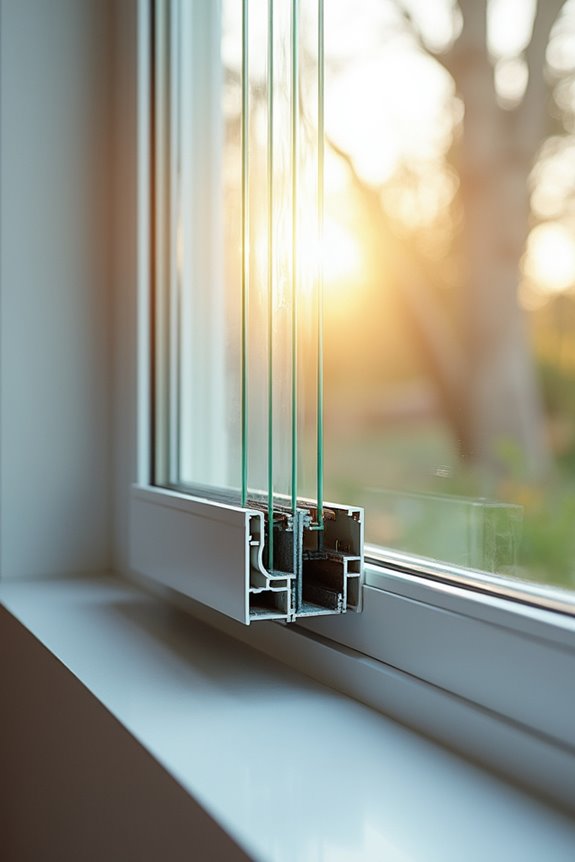
Estimating the installation costs for new windows is a key aspect of any window upgrade project. Typically, window replacement costs in 2026 range from $300 to $2,500 per window, with the average around $1,047. Important factors influencing these costs include window type, material, and installation complexity. For a full-home replacement of 25 windows, expect total costs between $15,000 and $45,000.
To assist with budgeting, we recommend doing a cost comparison based on local pricing trends. Labor fees can vary greatly, ranging from $100 to over $600 per window. Custom windows or specialized installations can further increase expenses. Remember, investing in energy-efficient windows might lead to noticeable long-term savings despite potentially higher upfront costs.
Recommended Products
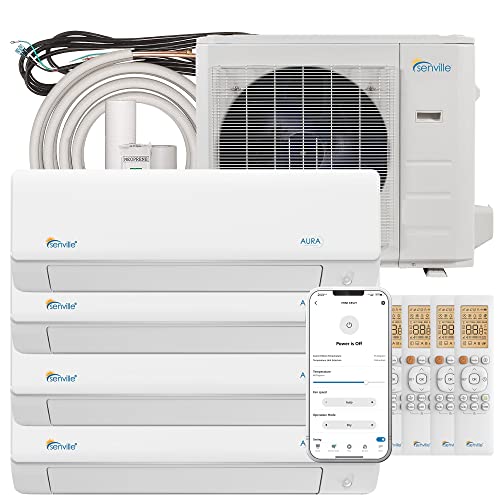
FOUR ZONE MINI SPLIT SYSTEM: Designed for versatile climate control in multiple rooms. Featuring (4) 9000 BTU indoor air handlers and a single 36000 BTU outdoor unit, this 3 ton mini split delivers individual temperature settings in each space, be it with a dual zone configuration.

COMPLETE EGRESS WINDOW WELL KIT – COMPLETE BASEMENT EGRESS KIT- The components included in this kit meet or exceed IRC code requirements ensuring your basement is safe and compliant. With window wells, covers, ladders, and basement windows, you can effortlessly transform your basement. Ideal for homeowners needing a complete egress solution.
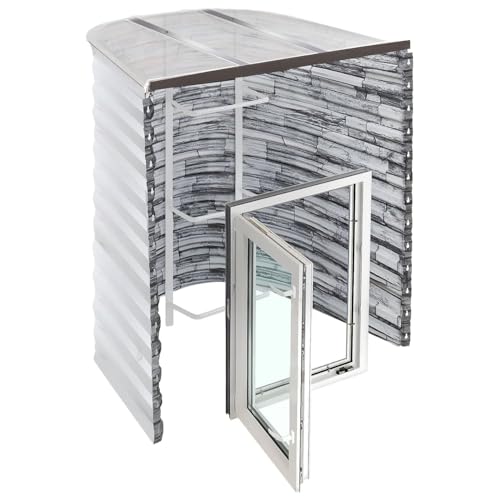
HEAVY-DUTY STEEL CONSTRUCTION ensures your window well withstands extreme conditions. Made from 19-gauge steel with a special corrugated design, it resists heavy soil pressure and aggressive backfilling.
Calculating Current Annual Energy Costs
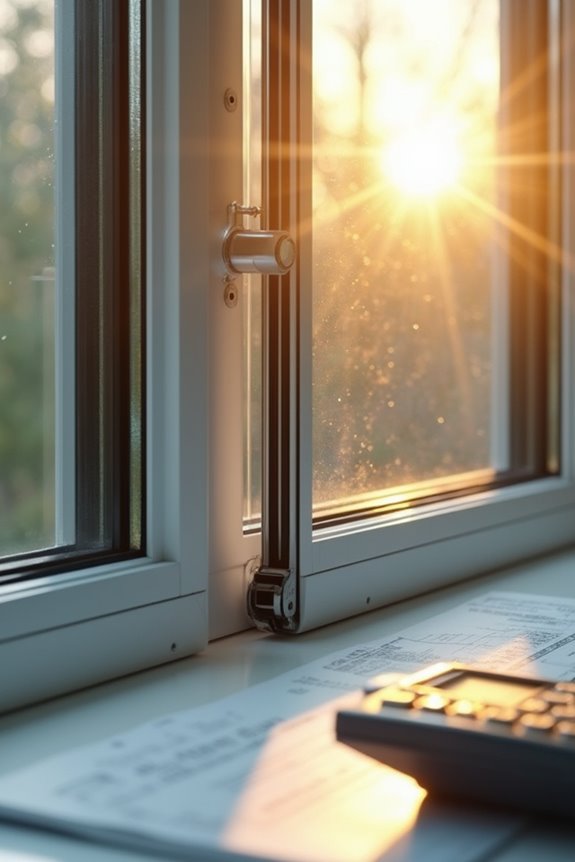
Calculating current annual energy costs is essential for understanding how much we spend on heating and cooling. The average American home incurs about $4,200 annually for these services. This amount forms our baseline for energy consumption cost analysis.
Heating and cooling represent the largest share of energy costs, which vary based on region and season. Factors like the type of heating system and local climate influence our energy expenses. For instance, electric resistance and gas furnaces may have different impacts on our bills. Upgrading to double glazed sliding windows can significantly enhance thermal efficiency, further reducing energy expenses over time.
Recommended Products

60 CU. FT. SPACIOUS & EFFICIENT STORAGE SPACE: Commercial beverage display refrigerator offers a generous 60 Cu Ft of storage. With its ample capacity, this unit is perfect for offices, retail shops, restaurants, and supermarkets, ensuring you have all the space you need to store a variety of beverages.

COMPLETE HARDWARE SET — Includes two door slabs 8496 in, 13 FT black steel rail, hangers, wall spacers, door stops, floor guide, anti-jump pins, and mounting screws. Doors are not pre-drilled.

Aluminum Folding Sliding Window:Our folding window offers Aluminum Folding Sliding Window functionality with an aluminum alloy frame, enables foldable aluminum folding window style operation. Safety locking and dual-layer tempered glass. Its vertical folding window design gives a panoramic view
Using Energy Savings Calculators for Comparative Analysis
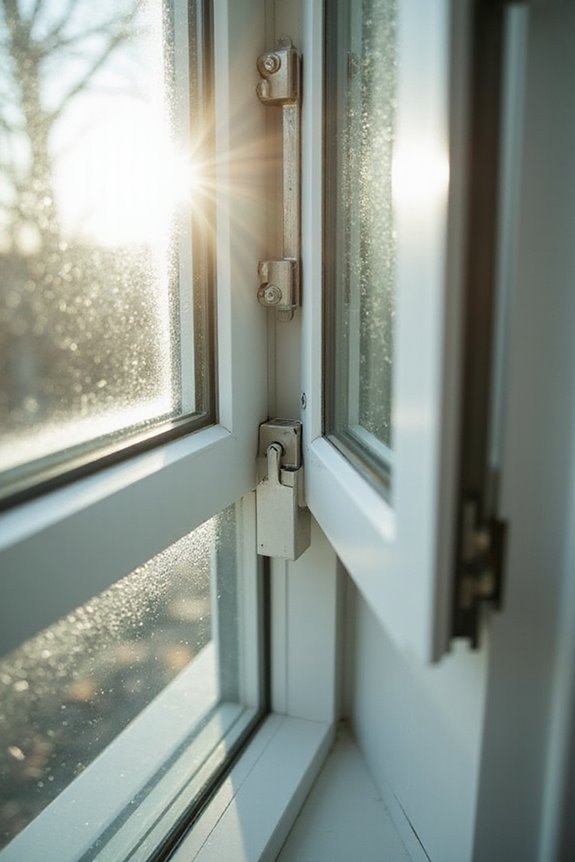
How can we effectively use energy savings calculators to understand the financial benefits of new windows? These tools help us analyze the potential impact of window upgrades on our energy efficiency. By inputting variables like location, window type, and building size, we can see estimated energy cost reductions.
Key features include:
- Location/Climate Zone: Adjusts calculations based on local energy rates.
- Window Configurations: Choose between different glass types, which affect efficiency.
- Estimating Savings: Calculate how much we might save on heating and cooling costs.
While these calculators provide valuable estimates, remember that actual savings depend on factors like shading and user behavior. For precise results, consulting with professionals is often beneficial. Additionally, understanding your local energy ratings can help in selecting the most efficient windows for your specific needs.
Recommended Products

Autel MaxiSYS Ultra EV Diagnostic Tablet : The MaxiSys Ultra EV Autel scanner is a new generation of intelligent diagnostics for electric, hybrid, gas vehicles; AUTEL UltraEV provides a comprehensive analysis of electric and hybrid vehicles with expanded topology mapping and battery pack analysis ; The 12.9-inch UltraEV touchscreen tablet comes equipped with MaxiFlash VCMI (5-in-1) measurement device, Bluetooth-enabled vehicle communication interface and J2534 pass-thru programming device, and a dedicated EVDiag box

{ENERGY EFFICIENT} The Kratos 29Y-057 electric convection oven features a high efficiency heating tube with direct, forced hot-air system. Double-pane thermal glass windows provide easy visibility and ensure energy efficiency

CERTIFIED ACiQ SELLERS: Everything you need for reliable HVAC solutions!
Evaluating Heat Loss Through Windows
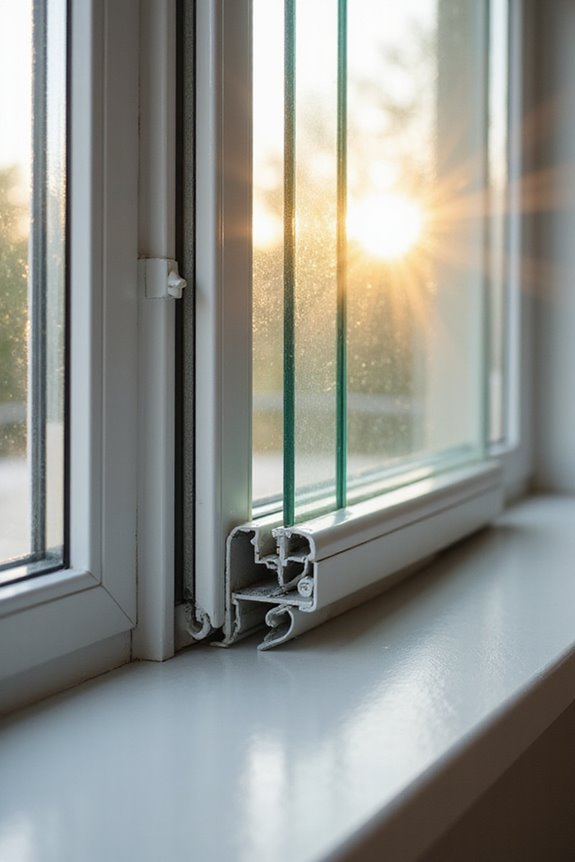
Evaluating heat loss through windows is essential for understanding energy efficiency in our homes. The first step involves measuring each window’s area accurately; larger windows allow more heat transfer. We need to take into account window orientation, as it affects how sunlight impacts heat gain or loss during different seasons.
Using the U-factor, which measures heat transfer, we can calculate heat loss more precisely. The temperature difference between indoors and outdoors greatly influences this loss during colder months.
For example, the fundamental formula for heat loss is: Heat Loss = Area × U-factor × (Inside Temp – Outside Temp). By understanding these factors and seasonal effects, we’re better equipped to assess our energy savings potential from new windows. Additionally, A++ rated windows provide superior heat retention, further enhancing energy efficiency.
Recommended Products

{DOUBLE DECK CONVECTION OVEN} Perfect for high volume applications, this durable and reliable commercial double stack convection oven is built for long lasting use in busy commercial kitchens! Two independently controlled convection ovens with compatible stacking kit and casters
Reliable, durable, and convenient - this double deck electric convection oven is built for long lasting use in busy commercial kitchens

{BAKER'S DEPTH} This large commercial convection oven is a deep depth design. It accepts full size sheet pans oriented front to back. Perfect for high volume applications!
Analyzing Regional and National Savings Variations
When we upgrade our windows, understanding the regional and national savings variations can guide us in making informed decisions. Energy savings are influenced by regional performance and climate impact. For instance, homes in cold regions may save up to $270 annually, while those in milder climates, like California, might see around $125. In heating-dominated areas, windows with low U-factors minimize heat loss. Conversely, cooling climates benefit from windows that control solar heat gain. Nationally, replacing single-pane windows with ENERGY STAR double-pane options can reduce energy costs by 7% to 15%. Recognizing these differences allows us to select the best windows for our specific circumstances, thereby optimizing our energy savings. Additionally, triple pane windows can cut heating and cooling bills by up to 30%, providing significant long-term savings.
Determining Typical Energy Savings and Payback Periods
Determining typical energy savings and payback periods for new windows is essential for making informed decisions. When we replace old windows with ENERGY STAR models, we can expect average savings estimates of 12% on energy bills. For single-pane replacements, savings range from $101 to $583 annually based on climate. The initial costs of new windows can vary widely, from $150 to $4,000 per window.
To calculate payback periods, we divide the window cost by annual savings. For wood replacements, the average payback time is about 8 to 10 years. Tax credits can reduce costs, further improving payback calculations. Knowing these details helps us understand the financial impact of our choices and the long-term benefits of energy-efficient windows.
Recommended Products

World's most secure printing: Print, scan, and copy professional-quality 2-sided documents with the HP LaserJet Enterprise MFP M634hFlow, a multifunction laser printer with JetIntelligence designed to combine performance, energy efficiency, and security

High speed printing

Instant, Accurate Window Diagnostics With One Push of a Button - when you need complete clarity on window construction, the Glass-Chek ELITE delivers. Designed for glass replacement experts, installers, inspectors, building professionals and window film installers, this advanced meter identifies glass thickness, laminate layers, air space, IG configuration, and Low-E coatings instantly — all in a rugged, portable, 100% Made in the USA design. No estimates. No dismantling. Just fast, accurate answers you can trust.
Key Factors Influencing Energy Savings Calculations
To accurately assess energy savings when installing new windows, several key factors must be considered.
Frame Materials: Different materials, like vinyl or wood, impact insulation levels and durability. Multi-chamber designs enhance thermal resistance.
Glazing Types: Single, double, or triple-pane options affect heat transfer rates considerably. Better glazing can mean more savings.
Installation Quality: Proper installation minimizes air leakage, ensuring windows perform well over time.
Climate Impact: Our local climate shapes heating and cooling needs. For instance, solar exposure varies greatly, influencing window effectiveness.
Window Orientation: The direction of windows determines solar heat gain. South-facing windows may welcome more sunlight, while east or west may require shading to maintain comfort.
Frequently Asked Questions
What Are the Best Window Types for Energy Efficiency?
When choosing the best window types for energy efficiency, let’s focus on double or triple-pane glass with low-E coatings and vinyl or fiberglass frames for their superior insulation effectiveness. We’ll feel the difference together!
How Do Rebates Impact Window Replacement Costs?
Rebate programs can gracefully lessen our window replacement costs. By embracing a thoughtful cost analysis, we’ll uncover how these incentives transform our investments into savings, ensuring we enjoy both style and efficiency in our homes.
Can I Calculate Savings Without an Energy Audit?
Yes, we can calculate savings without an energy audit. By analyzing energy consumption metrics and making cost comparisons based on window efficiency ratings, we can get a rough estimate, though it’s less accurate than a professional assessment.
What Is the Lifespan of Energy-Efficient Windows?
Think of energy-efficient windows as lasting friends; they generally stick around for 20 to 50 years. We understand quality materials and precise installation techniques make all the difference in keeping them by our side.
How Often Should Windows Be Replaced for Optimal Savings?
For ideal savings, we should consider replacing our windows every 15 to 20 years, keeping window longevity in mind. By understanding replacement frequency, we can guarantee energy efficiency and comfort in our homes together.