As an Amazon Associate, we earn from qualifying purchases. Some links may be affiliate links at no extra cost to you. Although our opinions are based on curated research, we haven't used these products. Articles generated with AI.

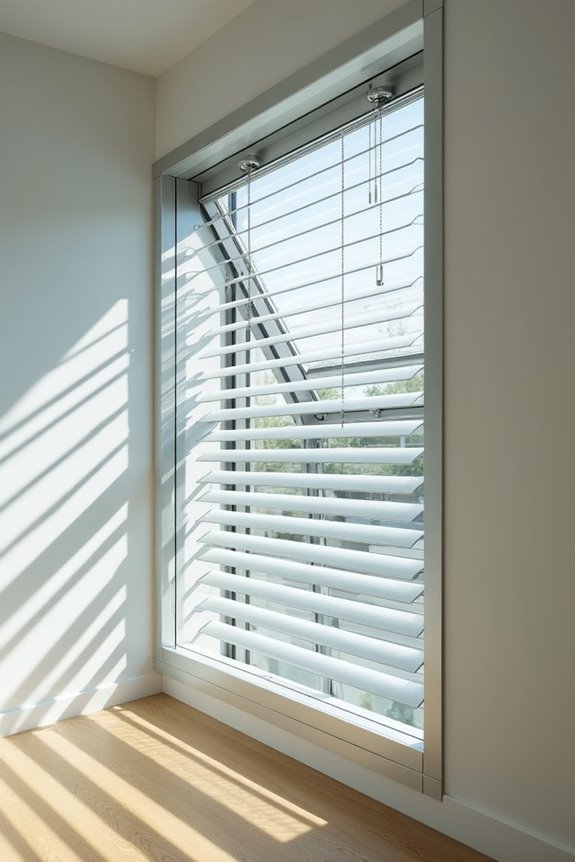
What Is Natural Ventilation And Its Benefits?

Natural ventilation is the process of using outdoor air to improve indoor environments. This method relies on wind pressure and thermal buoyancy for airflow, offering numerous benefits. For example, in hot climates, it can save up to 71.1% on energy costs and reduce reliance on air conditioning. It also enhances air quality by continually replacing stale air and removing pollutants. Understanding the different types and design strategies can help us maximize these benefits further.
Key Takeaways
- Natural ventilation is the passive flow of outdoor air into buildings, utilizing wind pressure and thermal buoyancy to regulate indoor temperatures.
- It significantly improves indoor air quality by continuously replacing stale air, diluting pollutants, and reducing allergens.
- Implementing natural ventilation can lead to substantial energy savings, with reductions of up to 71.1% in energy bills in hot, dry climates.
- It helps lower carbon emissions by decreasing the reliance on mechanical cooling systems, contributing to environmental sustainability.
- Effective natural ventilation design involves analyzing local climate, optimizing window placement, and integrating with mechanical systems for enhanced comfort.
Definition of Natural Ventilation
You may be interested
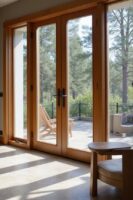
Natural ventilation is an important concept in building design that refers to the passive supply of outdoor air into a building’s interior. It harnesses natural forces like wind pressure and thermal buoyancy to create passive airflow. This means we don’t need mechanical systems to circulate air inside.
Natural ventilation works effectively through several mechanisms. Wind-driven ventilation pushes air in and out through building openings, while stack ventilation allows warm air to rise and escape, drawing cooler air in from below. These methods help regulate indoor temperatures, providing a comfortable living environment without relying on fans or other powered devices. Additionally, humidity control through natural ventilation can help prevent moisture-related issues, further enhancing indoor air quality.
In essence, natural ventilation promotes fresh air and supports temperature regulation, contributing to healthier indoor spaces for us all.
Energy and Environmental Benefits
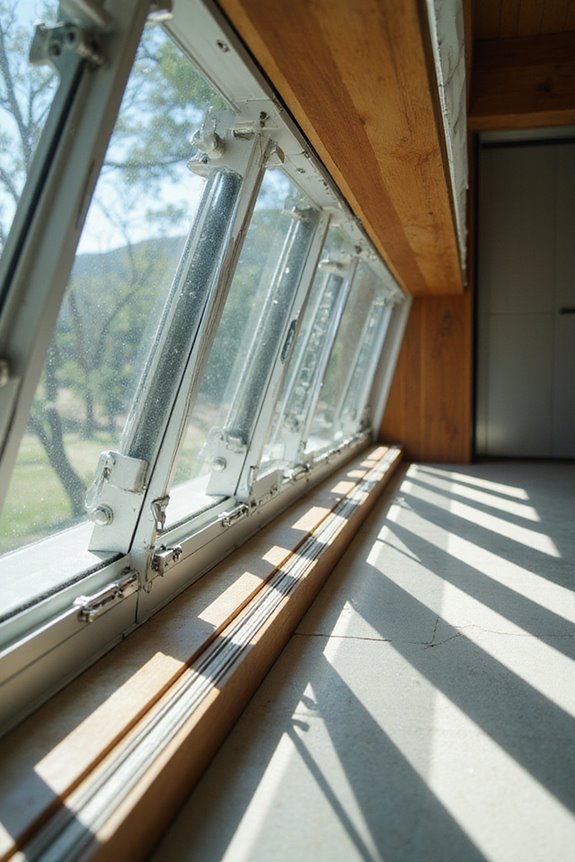
Utilizing natural ventilation not only enhances indoor air quality, but it also brings significant energy and environmental benefits. By adopting sustainability practices through passive design, we can achieve impressive energy savings. In hot, dry climates, natural ventilation can save up to 71.1% on yearly energy bills. Even in temperate regions, reductions in cooling energy can range between 40% and 50%.
Environmentally, natural ventilation decreases carbon emissions by lessening reliance on energy-intensive air conditioning systems. It promotes a cooler urban microclimate, reducing heat emissions from buildings. With its capacity to minimize energy consumption and maintenance costs, natural ventilation is a smart choice for various building types and climates. Additionally, choosing energy-efficient models can further enhance the benefits of natural ventilation. Let’s embrace this approach for a healthier planet and reduced utility costs.
Recommended Products

W36"xH48" Wall mount. Wall mount copper range hoods should be the same width or not more than 6" wider than your cooktop, but never smaller. About the height, your copper range hood should be between 30″ and 36″ above your cook top. We recommend 33″ for wall mount and 36″ for island mount applications. Custom sizes available upon request by email

【Space-Efficient Design for Any Home Office】With compact external dimensions of L105*W105*H230CM, the Gearonic Office Pod is perfect for small spaces, occupying just 1.1 square meters of floor area. Despite its minimal footprint, the interior dimensions of L88*W92*H207CM provide a spacious and functional workspace for various tasks, making it an ideal choice for modern home offices.

【Multi-Scene Versatility】:Ideal for offices, school libraries, homes, subways, shopping malls, and more—perfect for studying, brainstorming, homework, online classes, meetings, and conference calls.
Health and Indoor Air Quality Improvements
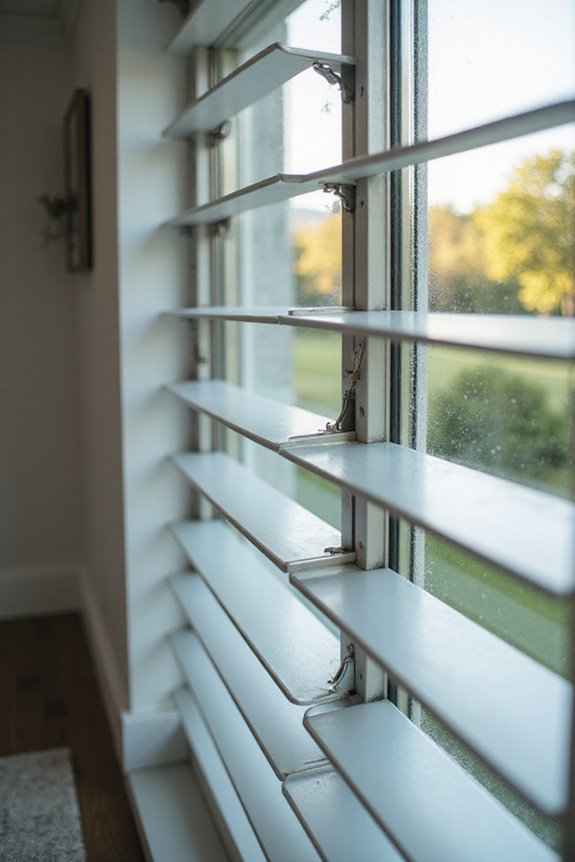
Improving indoor air quality is essential for the well-being of building occupants. Natural ventilation continuously replaces stale air with fresh outdoor air, effectively diluting indoor pollutants like volatile organic compounds (VOCs) and particulate matter. This process also removes indoor allergens, such as dust and pet dander, which can harm respiratory health. By reducing chemical fumes and airborne irritants, ventilation alleviates symptoms like headaches and eye irritation that often result from poor air quality. In addition, maintaining balanced indoor humidity levels through ventilation helps prevent mold growth, further contributing to respiratory wellbeing. Studies show that occupants in naturally ventilated spaces report fewer respiratory problems, showcasing the significant health benefits of improved air quality. Additionally, indoor air quality (IAQ) can be significantly enhanced through effective ventilation systems that control pollutants and ensure a healthier living environment.
Recommended Products

4-Speed fan control (280/420/560/700 CFM) to choose the appropriate air flow for your cooking situation

【Rapid 10min Graphene Heating Technology】Infrared Sauna for home used Graphene Carbon Plates for heating with a total 7 piece.More healthier, More environmentally friendly, Low energy consumption! 10-15 minutes can reach the max temperature of 149 ° F (65 ° C). Emit far-infrared rays that penetrate deep into the body, promoting detoxification and relieving muscle tension.With wide, soft heat evenly distributed throughout the sauna.

PREMIUM HEMLOCK & 6MM SAFETY GLASS: Crafted from high-grade natural Canadian Hemlock wood, known for its pleasant scent and durability. Features a 6mm tempered glass door that provides a sleek, modern look while ensuring excellent heat retention and a safe, open view for your home spa sessions.
Design Considerations and Strategies
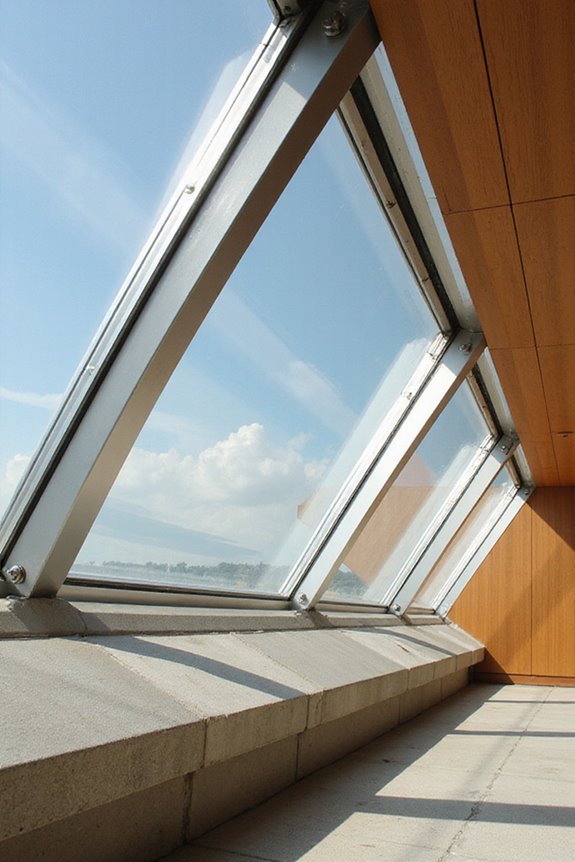
Design considerations for natural ventilation play a pivotal role in guaranteeing its effectiveness and efficiency. First, we need to analyze the local climate to guide our design priorities. This includes understanding air temperature, humidity, and wind patterns. Building orientation should maximize exposure to these winds for better airflow optimization.
Additionally, the geometry and layout affect how air moves inside. Strategic placement of windows and vents can enhance cross or stack ventilation, promoting airflow throughout the space.
Finally, integrating natural ventilation with mechanical systems guarantees comfort in extreme conditions. By using automated controls, we can adapt to changing environments, optimizing our energy use. Furthermore, incorporating advanced filtration systems can improve indoor air quality, complementing natural ventilation strategies. Together, these strategies create a well-functioning natural ventilation system, essential for any building design.
Recommended Products
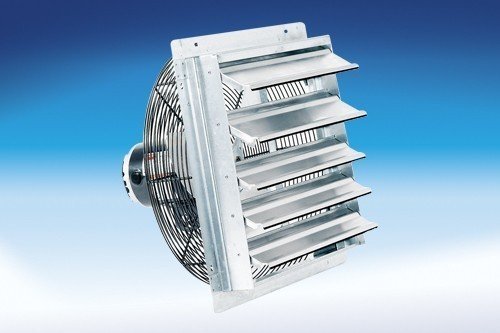
Heavy duty guards have gray polyester coating to resist corrosion

SMART COOLING & HEATING: This 24,000 BTU mini split AC and heating system provides precise temperature control for cooling and heating needs, ideal for home, office, or bedroom use. Enjoy year-round comfort with WiFi connectivity for remote control

EASY OPEN AND CLOSE: A single point release system makes it easy to open or close the windshield with a quick, low-effort twist of a handle
Types and Architectural Applications
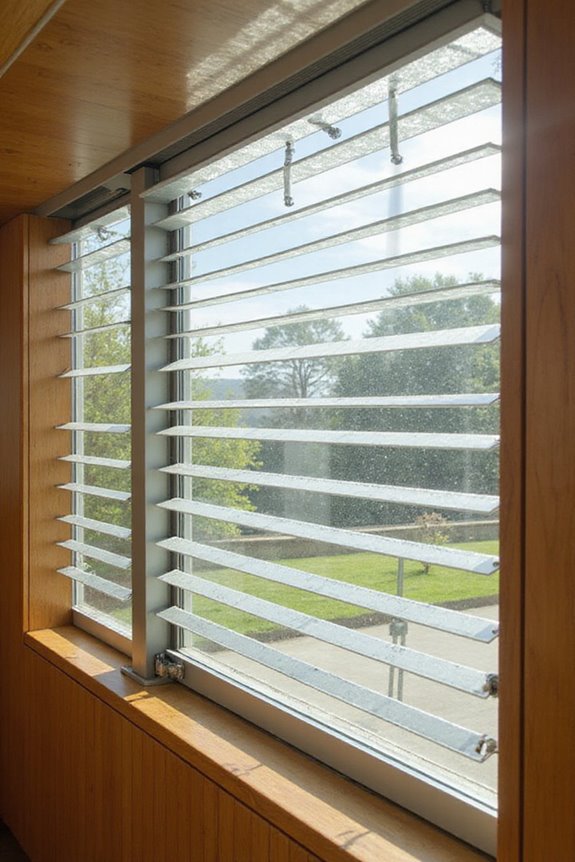
Natural ventilation includes various types that we can apply in building design to enhance energy efficiency and indoor comfort.
Wind-driven architecture harnesses external winds, creating airflow through windows and vents. We can maximize this method by orienting buildings towards prevailing winds.
Stack ventilation design uses the natural rise of warm air. High openings let warm air escape, drawing in cooler air from lower areas, making it effective even on calm days.
Cross ventilation, a subtype of wind-driven ventilation, allows air to flow from one side of the building to the other. Additionally, incorporating smart blinds can optimize natural light control and improve energy efficiency by regulating indoor temperatures.
Recommended Products

FITS STANDARD 16" x 8" FOUNDATION OPENINGS – Designed for replacement of common crawl space vents. Frame size is slightly smaller for proper fit.

EFFORTLESS INSTALLATION - Our window dryer vent kit is the epitome of simplicity. Forget about challenging installations or the need for expert help. Designed with practicality in mind, it's a tool-free, intuitive solution that transforms your window into a dryer vent swiftly and without hassle. Ready-to-use straight out of the box, it promises an efficient outlet for your dryer, streamlining your laundry process effortlessly.
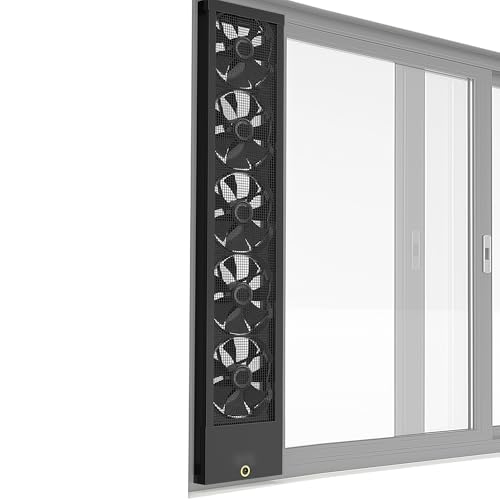
【MEASURE BEFORE PURCHASE】This vertical window fan is designed specifically for horizontal sliding windows, requiring an inner frame height of 31.5"to 33.5". Please measure the vertical window frame space (not the glass height) for a perfect fit. Not compatible with windows outside this height range.
Economic and Operational Advantages
Cost Savings
Natural ventilation notably lowers energy expenses by reducing reliance on mechanical systems. This leads to lower utility bills and a reduced carbon footprint. Additionally, systems like Energy Recovery Ventilators (ERVs) can save up to 50% on energy costs by recovering heating or cooling energy.
Maintenance Reduction
Without complex components like fans or ducts, the maintenance requirements are minimal. Buildings with natural ventilation incur fewer repair costs, as there are no mechanical system failures to address. Overall, this creates a streamlined approach that simplifies management and decreases operational spending.
In addition, the space saved from bulky ventilation systems allows for improved architectural designs, enhancing both functionality and aesthetics.
Recommended Products

A leading provider of ventilation and air-quality solutions for homes
A leading provider of ventilation and air-quality solutions for homes

A leading provider of ventilation and air-quality solutions for homes
Frequently Asked Questions
What Climate Conditions Optimize Natural Ventilation Effectiveness?
To truly embrace natural ventilation, we’ve got to delight in cool temperature gradients and lower humidity levels. Together, we can create spaces that breathe, ensuring comfort while keeping nature’s rhythm alive in our homes.
How Does Natural Ventilation Impact Building Aesthetics?
Natural ventilation enriches building aesthetics by blending functional elements like operable windows with aesthetic charm. This design harmony invites light and enhances our connection to the outdoors, creating spaces that feel inviting and beautifully alive.
Can Natural Ventilation Be Used in High-Rise Buildings?
Absolutely, we can harness natural ventilation in high-rise design through thoughtful airflow strategies. By embracing innovative techniques, we create spaces that breathe, prioritizing both comfort and sustainability for our cherished occupants.
What Is the Lifespan of Natural Ventilation Systems?
Natural ventilation systems can last decades with proper care. Their longevity relies heavily on regular maintenance, ensuring smooth airflow and preventing damage. By embracing simple upkeep, we can enjoy a reliable, long-lasting solution together.
How Do Natural Ventilation Systems Comply With Building Codes?
As the saying goes, “Safety first.” We guarantee our natural ventilation systems comply with building regulations and ventilation standards, integrating performance verification and design features to meet air exchange requirements while promoting a healthy indoor environment.