As an Amazon Associate, we earn from qualifying purchases. Some links may be affiliate links at no extra cost to you. Although our opinions are based on curated research, we haven't used these products. Articles generated with AI.

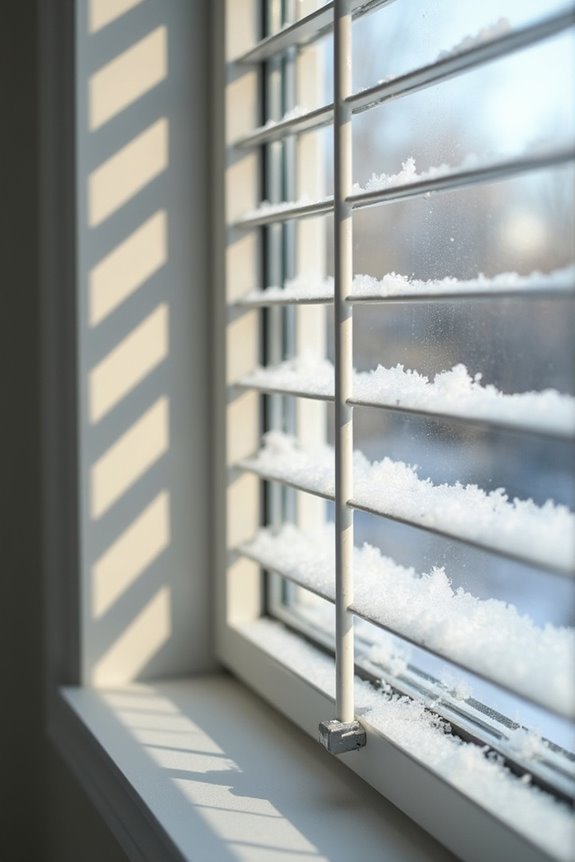
How Do Jalousie Windows Perform In Cold Weather?

Jalousie windows are not ideal for cold weather. Their unique design, with multiple glass slats, allows for significant air leakage, which can lead to drafts and increased heating costs. They typically use single-pane glass, providing minimal thermal resistance, causing heat to escape easily. This can result in condensation and moisture problems as well. For better insulation and energy efficiency, we can explore modern alternatives or solutions to mitigate these issues effectively. More options are available for consideration.
Key Takeaways
- Jalousie windows have multiple seams that allow cold air to infiltrate, leading to drafts and heat loss in colder weather.
- The single-pane glass commonly used in jalousie windows offers minimal thermal resistance, exacerbating heat escape in winter conditions.
- Cold surfaces from air leakage may promote condensation, resulting in potential moisture issues indoors during chilly days.
- Regular maintenance, such as sealing frames and installing insulating films, can help mitigate cold air infiltration and improve comfort.
- Replacing jalousie windows with modern double or triple-glazed options significantly enhances energy efficiency and insulation performance in cold climates.
Understanding Jalousie Windows
You may be interested
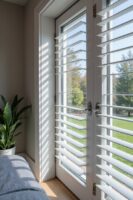
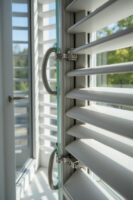
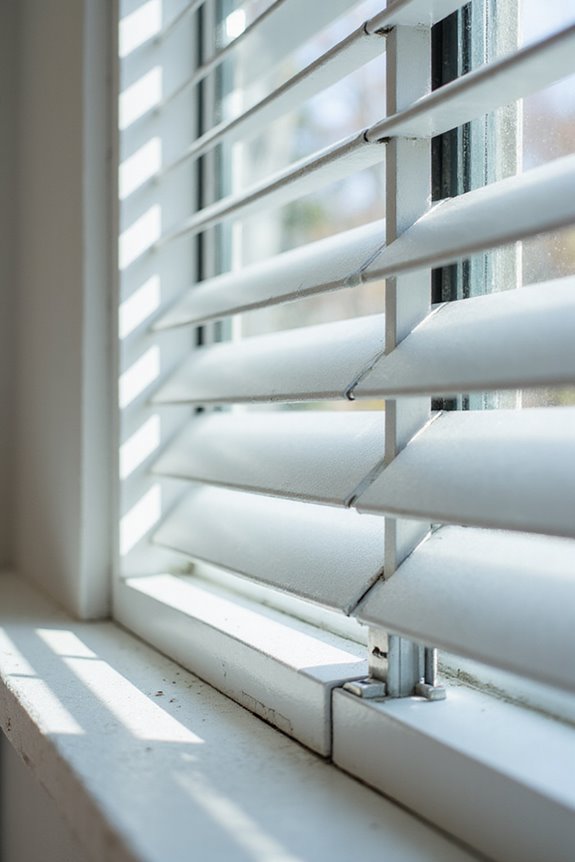
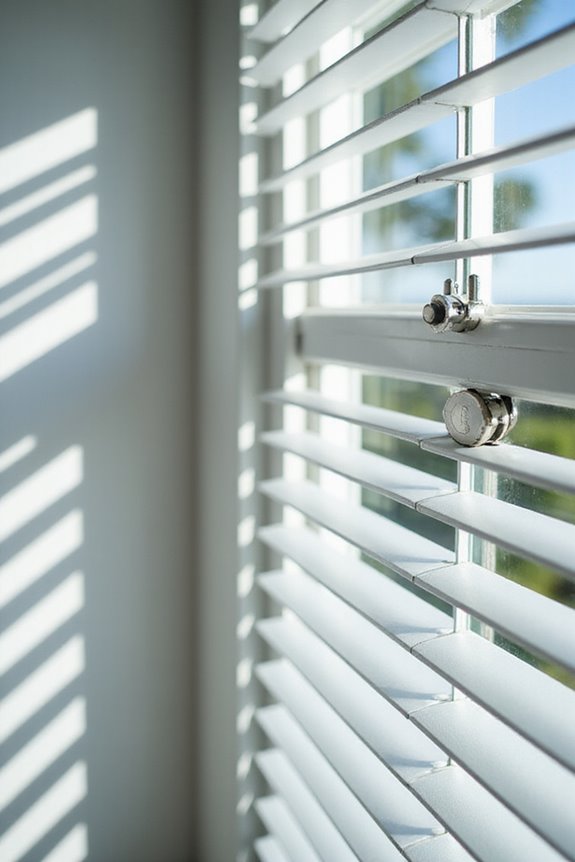
Jalousie windows, often seen in warm climates, have a unique design that consists of multiple horizontal glass slats. These slats operate using Jalousie mechanisms, allowing us to open or close them with ease, maximizing ventilation. When we tilt the slats, almost the entire window area provides airflow, which is perfect for warm weather.
The frame materials, often made from aluminum, steel, or wood, contribute to the window’s durability. However, they often lack tight seals, enhancing air leakage. This design doesn’t provide an airtight closure, which is why they work better in tropical climates. Additionally, the energy efficiency attributes of aluminum jalousie windows can help regulate indoor temperature, but their performance may still be compromised in cold weather.
Thermal Insulation Challenges in Cold Weather
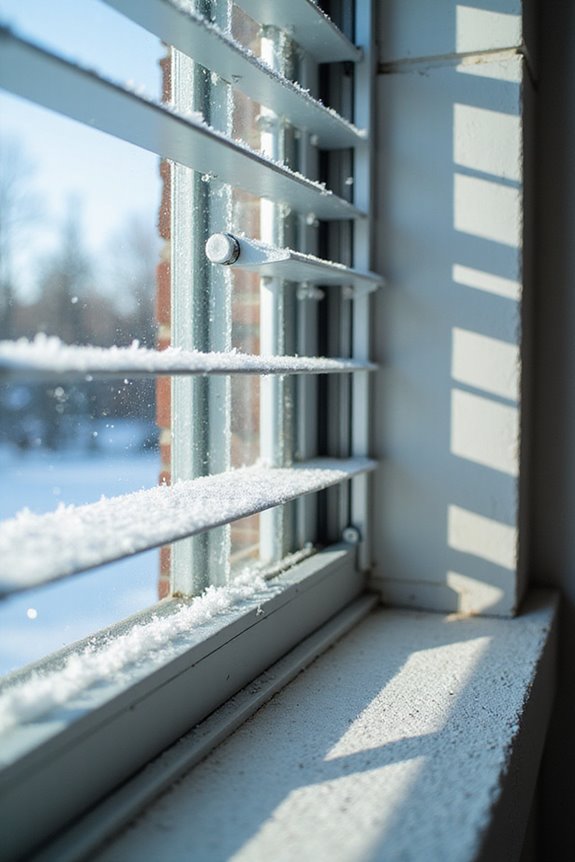
As we shift into colder months, we need to understand the thermal insulation challenges posed by jalousie windows.
Multiple Seams and Air Leakage****
Jalousie windows, with their numerous individual glass slats, create multiple seams where air can penetrate. This design prevents an airtight seal, leading to cold drafts indoors.
Single-Pane Glass Weakness
Most use single-pane glass, allowing indoor heat to escape easily. This minimal thermal resistance can greatly increase heating requirements.
Condensation Issues
Cold surfaces promote condensation, risking moisture buildup and potential mold growth.
Evaluating Solutions
Through thermal performance assessment and insulation material evaluation, we can explore options like internal storm windows or enhanced weatherstripping to mitigate these thermal challenges without replacing the windows entirely. Additionally, considering UV protection window films can help improve overall energy efficiency while protecting furnishings from harmful rays.
Energy Efficiency and Heating Costs
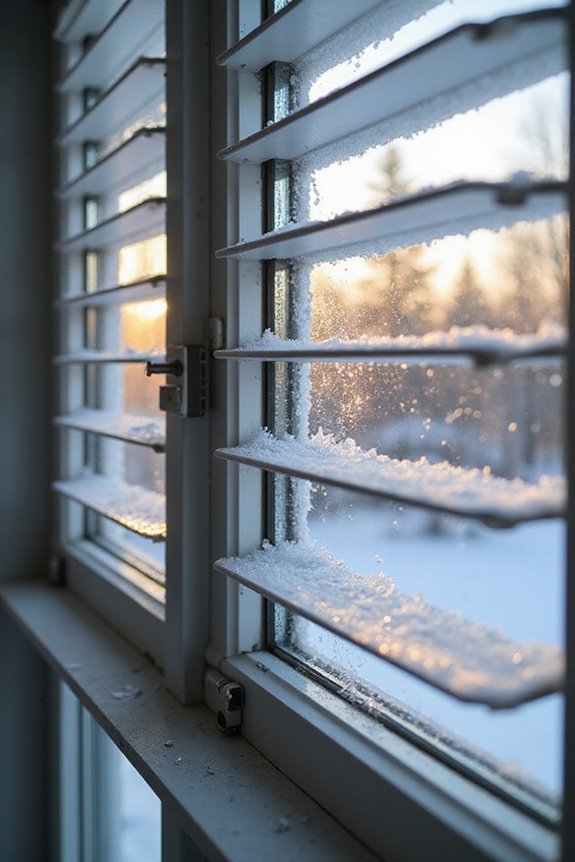
Ineffective thermal insulation in jalousie windows considerably impacts energy efficiency and heating costs during cold weather. These windows typically feature a slatted design, which allows significant heat loss, raising our heating demands. Consequently, we’ve seen an increase in energy bills as our HVAC systems work harder to maintain indoor comfort.
Modern jalousie windows offer improved thermal performance with double-pane glass and better sealing, yet efficiency ratings still trail behind fully insulated options. Although newer designs reduce heat loss, they don’t eliminate it entirely. Replacing old jalousie windows with insulated ones could save us between $126 and $465 annually, greatly lowering our heating expenses. In the end, considering the long-term savings is key when evaluating window options. Additionally, double-pane insulated glass significantly enhances energy efficiency compared to single-pane designs.
Air Leakage and Draft Issues
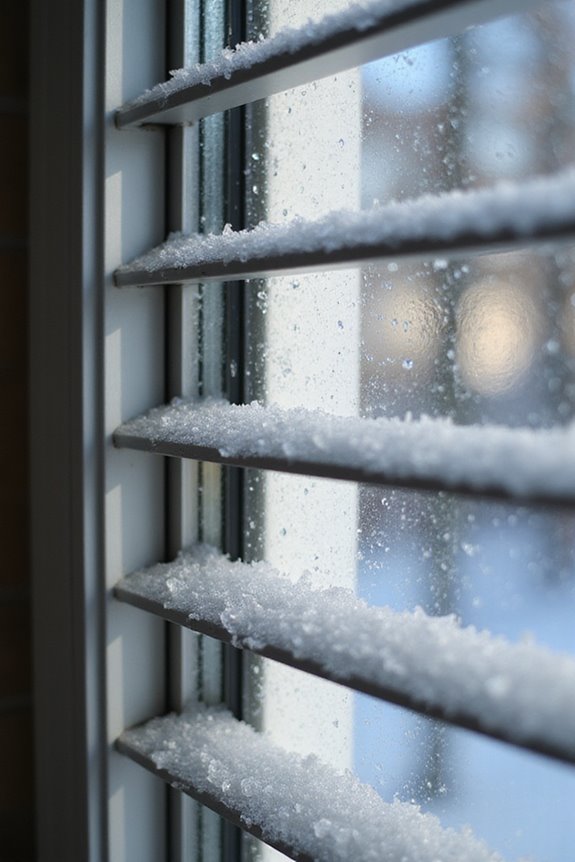
Air leakage is a common problem with jalousie windows, particularly during cold weather. The design of these windows, which features multiple slats, leads to gaps that can allow cold air to enter our homes, compromising comfort levels. Metal frames don’t help, as they can conduct cold temperatures, increasing the drafts we feel inside. The mechanism for opening and closing the slats creates areas where air can circulate freely, further lowering our comfort. Weatherstripping may degrade over time, allowing more drafts during winter. While we can take steps like sealing frame edges or adding storm windows, these measures require maintenance. Staying proactive about air leakage helps guarantee our living spaces remain comfortable and energy-efficient, especially when the temperature drops. Additionally, using effective weatherstripping can significantly minimize drafts and improve insulation.
Condensation and Moisture Problems
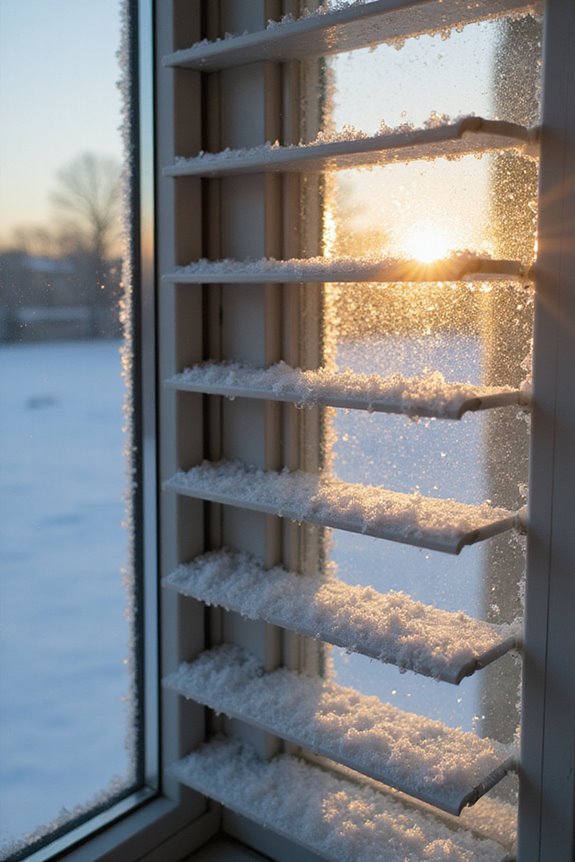
While addressing air leakage is important for maintaining comfort in our homes, we also need to take into account the impact of condensation on jalousie windows during cold weather. Condensation causes arise when warm, moist indoor air contacts cold window surfaces, leading to moisture buildup. This is more pronounced with single-glazed jalousie windows, as they offer poor insulation, increasing the risk of condensation.
To combat this, moisture prevention is key. We can maintain indoor humidity between 25-30% using dehumidifiers and proper ventilation. Additionally, installing storm windows or weather stripping can improve insulation and reduce moisture ingress. Regular maintenance of seals is vital in preventing persistent condensation, which can lead to mold, frame damage, and structural weakening over time. Proper sealing around window frames is critical for optimal performance in reducing moisture ingress and enhancing insulation.
The Impact of Single-Pane Glass
Single-pane glass in jalousie windows considerably limits thermal insulation. With an R-value typically around 1, this type of glass does little to prevent heat loss during cold weather. The thin glass slats provide minimal mass, resulting in significant indoor temperature drops.
Additionally, single-pane vulnerabilities compound issues. Small gaps between slats allow cold air to infiltrate, further reducing overall thermal performance. As a result, heating costs can increase dramatically, as HVAC systems work harder to maintain warmth. Furthermore, the lack of energy-efficient windows can lead to ineffective insulation strategies, exacerbating energy bills in colder months.
Condensation can also be a concern, as colder glass surfaces lead to moisture buildup. This not only affects indoor air quality but can also damage surrounding areas. Addressing these challenges is essential for improved comfort and energy efficiency in our homes.
Maintenance and Weatherproofing Strategies
To enhance the performance of jalousie windows during cold weather, we need effective maintenance and weatherproofing strategies. First, we should apply weatherproofing materials like high-quality weatherstripping around frames, which cuts down on air infiltration. Regularly replacing worn gaskets guarantees airtightness, while silicone sealants at joints block moisture and drafts.
Next, routine maintenance involves inspecting frames for cracks or corrosion. This helps us find any air or water entry points before they become issues. We can also consider installing foam tape along slat edges to further diminish cold drafts. Finally, keeping hinges lubricated guarantees smooth operation and minimizes gaps that allow cold air in. By taking these steps, we enhance our jalousie windows’ performance when the temperature drops.
Temporary Solutions for Cold Weather
When temperatures drop, finding temporary solutions for jalousie windows becomes essential to maintain comfort and energy efficiency in our homes.
Temporary Insulation Films
Applying clear plastic insulation kits can greatly reduce air infiltration. These films, using double-sided tape, seal tightly, creating a barrier against cold drafts.
Storm Windows
Installing removable storm windows improves airtightness. They block drafts while preserving daylight and can be easily taken down when warmer weather arrives.
Weatherstripping
Adding foam or rubber weatherstripping to critical gaps is another effective option. It minimizes cold air leakage and is simple to remove later.
Insulating Curtains
Using heavy thermal curtains offers seasonal protection as they retain heat when closed. These treatments can enhance indoor comfort by trapping warmth near the window.
Comparison With Modern Window Alternatives
While many homeowners appreciate the unique aesthetics of jalousie windows, we must consider how they compare to modern window alternatives, especially in cold weather.
Jalousie Advantages
Historically, jalousies provided excellent ventilation in warmer climates. However, their performance in cold weather can be problematic.
Modern Alternatives
In contrast, modern windows often feature double or triple glazing, providing much better thermal insulation. This greatly reduces heat loss, which jalousies struggle with due to their slatted design.
Energy Efficiency
Modern windows can lower heating costs by maintaining a stable indoor climate. Jalousies, with gaps allowing drafts, can lead to higher energy bills during winter months.
Mitigating Air Infiltration
Mitigating air infiltration in jalousie windows is essential for maintaining comfort and energy efficiency in cold weather. We need to inspect weatherstripping regularly and replace any worn strips to reduce air leaks. Applying outdoor-rated air sealants around the edges can improve airtightness considerably. Temporary insulation kits, such as clear plastic sheeting or storm window panels, create extra barriers against drafts. Heavy curtains or thermal blinds inside work well too. In addition, ensuring the crank and hinge mechanisms are well-maintained helps slats close tightly. By promptly sealing gaps and using caulk or foam fillers where needed, we can effectively block cold air from seeping in, keeping our spaces warmer and more comfortable throughout winter.
Long-Term Solutions for Improved Insulation
Improving insulation for jalousie windows not only helps keep indoor spaces comfortable but also enhances energy efficiency over time. We can consider several effective options.
Cellular Shades trap air pockets, reducing heat loss by up to 40%. When paired with thick thermal curtains, we can achieve an additional 10-25% reduction in heat loss at night.
Interior Storm Panels create an insulating air gap, improving insulation by up to 50-70% without altering our windows.
For a straightforward approach, applying insulating films or installing window inserts enhances thermal resistance inexpensively.
Lastly, enhancing frame seals with weatherstripping can considerably cut drafts. Each option is easy to install and remove, ensuring we maintain our beautiful jalousie windows while improving comfort year-round.
Considering Replacement Options
When considering replacement options for jalousie windows, we should take several factors into account. First, the replacement benefits are significant; replacing these windows with more modern options can dramatically cut heat loss. For instance, high-performance vinyl or fiberglass windows might offer up to 50% better insulation.
Next, window aesthetics matter. We can choose replacements that blend seamlessly with our home’s design, preserving its visual appeal while enhancing energy efficiency. Casement or double-hung windows, with their sealed, multi-pane glass, are excellent choices that maintain an inviting look.
Additionally, modern jalousie options with double glazing improve energy performance while keeping some ventilation features. Ultimately, weighing these factors helps us make an informed decision suited to our needs and home.
Frequently Asked Questions
Can Jalousie Windows Be Repaired if They Have Significant Damage?
Yes, we can explore various repair options after a damage assessment. Often, individual slats and frames can be fixed without complete replacements, ensuring our windows remain functional and beautiful. Let’s tackle that damage together!
What Climates Are Jalousie Windows Best Suited For?
Jalousie windows shine like summer stars in tropical climates and humid environments, offering us fresh air and protection from rain. They’re perfect for us, embracing nature’s breeze while keeping us comfortable and connected.
Are There Any Aesthetic Alternatives to Jalousie Windows?
Absolutely, we can explore decorative options like awning or casement windows for our renovations. These alternatives not only enhance our home’s aesthetics but also maintain functionality and ventilation without sacrificing style or energy efficiency.
How Long Do Jalousie Windows Typically Last?
Jalousie windows can last 20 to 30 years, like a faithful companion with proper care. We can guarantee their longevity by following maintenance tips—regular inspections and sealant applications can keep them thriving through the years.
What Materials Are Jalousie Windows Usually Made From?
Jalousie windows usually consist of aluminum or wood frames with glass types like single-pane or double-pane installed using various methods. We appreciate the blend of aesthetics and functionality they’ve brought to our spaces over time.